PTO Stone Crusher Rotor Design: Fixed Hammer vs. Swing Hammer — Which Crushes Better?
An extensive mechanical analysis exploring operational action methods, advanced structural types, superior material systems, and the critical load-bearing performance of heavy-duty trailer axles in demanding agricultural land reclamation.
When embarking on severe agricultural reclamation or complex forestry clearing projects, selecting the optimal machinery configuration is the absolute most critical decision for any project manager. At the heart of this mechanical dilemma lies the quintessential debate regarding the PTO stone crusher rotor design: specifically, evaluating the profound differences between a fixed hammer configuration and a swing hammer mechanism. Both of these highly aggressive milling systems are engineered to obliterate subterranean bedrock, dense hardwood stumps, and hazardous surface stones that make immediate pasture seeding entirely impossible. However, regardless of whether an operator selects the rigid brutality of fixed hammers or the kinetic flexibility of swing hammers, the entire mechanical ecosystem relies completely on the fundamental stability provided by the heavy-duty trailer axles. These industrial-grade trailer axles are not merely passive transport components; they are the active structural foundation that absorbs the massive, violent shockwaves generated during the pulverization process. Without these heavily reinforced trailer axles, the immense weight of the crushing chamber would cause the implement to sink uncontrollably into the soft topsoil, rendering the entire operation inefficient. Therefore, understanding how rotor dynamics interact directly with the load-bearing capacity of the trailer axles is absolutely essential for maximizing operational throughput.
In the demanding and highly variable topographies found throughout the South American continent, particularly within the steep, uneven agricultural zones of the Colombian Andes, the synergy between the crushing rotor and the machine’s trailer axles becomes even more pronounced. A high-performance stone crusher must constantly navigate over deep logging trenches, massive boulders, and unpredictable soil densities, which continuously shifts extreme torsional stress onto the trailer axles. If these trailer axles are not engineered with advanced oscillating capabilities, the violent vibrational forces from the high-speed rotor will rapidly fracture the main chassis or destroy the tractor’s hitch mechanism. Consequently, agricultural engineers must carefully evaluate how the specific kinetic properties of a fixed hammer rotor versus a swing hammer rotor uniquely impact the lifespan and performance of the trailer axles. By meticulously analyzing these complex operational dynamics, farm directors can make a highly informed investment, ensuring that their chosen implement, supported by its indestructible trailer axles, will relentlessly convert chaotic, rocky wastelands into highly fertile, ready-to-plant agricultural zones while maximizing the long-term economic return on the fleet.
1. Operational Principles and Aggressive Action Methods
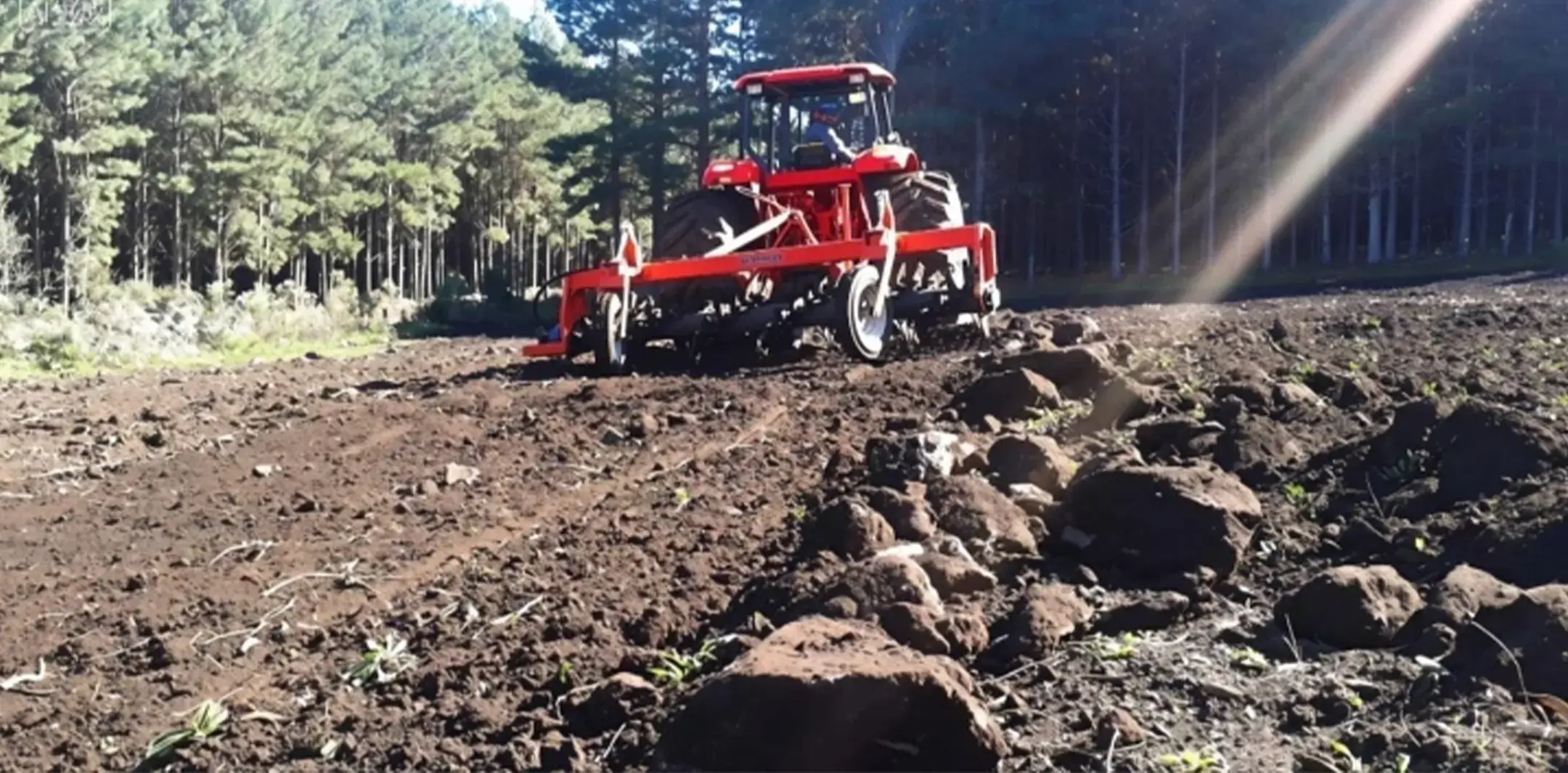
The core operational principles and primary action methods of a modern PTO-driven stone crusher revolve around the seamless transfer of immense rotational torque from the agricultural tractor directly into the aggressive milling chamber, all while being continuously stabilized by the heavy-duty trailer axles. The aggressive action method begins when the prime mover’s Power Take-Off shaft engages the implement’s central transmission gearbox, subsequently driving the massive cylindrical rotor at astonishing rotational velocities. In a fixed hammer configuration, the tungsten carbide teeth are rigidly locked into their holders, violently striking incoming granite boulders and dense root balls with uncompromising, direct kinetic force. As this brutal grinding action occurs, the entire downward pressure and violent upward recoil are dynamically shifted onto the machine’s robust trailer axles. These precisely engineered trailer axles must actively absorb the erratic lateral forces and brutal vertical impacts generated as the rigid hammers aggressively mill the top layer of the soil. The remarkable stability provided by these heavy-duty trailer axles guarantees a perfectly uniform crushing depth across the uneven terrain, preventing the heavy milling chamber from bouncing uncontrollably during the violent operation.
Conversely, the action method of a swing hammer rotor utilizes centrifugal force to extend the hammers outward during operation, allowing them to deflect slightly backward upon encountering an absolutely impenetrable object, such as a massive subterranean bedrock shelf. This kinetic flexibility inherently generates a significantly different vibrational profile compared to the fixed system, ultimately altering the stress distribution that travels down through the chassis into the trailer axles. Regardless of the specific hammer type, the creeping speed of the towing tractor must be meticulously calibrated, ensuring that the trailer axles glide smoothly over the newly pulverized mineral dust and shredded biomass. The entire mechanical process relies completely on the structural integrity and continuous ground contact of the trailer axles to maintain the optimal cutting angle for the rotor. By intelligently leveraging the stabilization capabilities of these premium trailer axles, the aggressive action methods of both fixed and swinging hammer rotors can successfully transform a massive geological obstacle into a highly valuable, finely milled agronomic resource through relentless mechanical power.
2. Structural Types and Advanced Machinery Classifications
When evaluating the overarching structural types and advanced classifications of PTO rock crushers intended for severe agricultural land clearing, mechanical engineers must strictly analyze the anticipated diameter of the field stones, the necessary working depth, and the overall load-bearing capacity of the implement’s primary trailer axles. These formidable forestry and agricultural machines are generally classified into three distinct structural categories: compact three-point mounted crushers, medium-duty semi-trailed crushers, and massive, heavy-duty fully trailed crushers that are comprehensively equipped with multi-wheel trailer axles. For brutal virgin land clearing and the complete eradication of massive surface boulders, the fully trailed classification is overwhelmingly preferred because its massive physical weight and extreme vibrational forces are securely managed by dedicated, high-capacity trailer axles rather than relying solely on the tractor’s rear hydraulic lift. A critical distinguishing feature among these advanced structural types is precisely how these massive trailer axles are integrated into the main steel frame to seamlessly handle extreme, unrelenting payloads without suffering catastrophic mechanical failure. The resilience of these trailer axles directly dictates the maximum permissible weight of the crushing rotor, thereby defining the machine’s ultimate volumetric capacity.
Premium fully trailed crushers utilize heavily reinforced, dual-beam chassis designs where the advanced trailer axles are mounted on heavy-duty hydraulic accumulators, providing essential dynamic suspension when navigating over massive, uncrushed logs and deep rocky trenches. If an operational manager mistakenly selects a lightly built machine equipped with standard, unreinforced trailer axles for a dense, high-impact forestry application, the immense torsional stresses generated by a fixed hammer rotor will easily warp the chassis or completely fracture the wheel hubs within the very first week of deployment. Therefore, investing in the correct structural classification—specifically one featuring oversized, industrial-grade trailer axles—guarantees that the stone crusher will relentlessly pulverize the most stubborn geological formations without tearing its own undercarriage apart under the immense strain. Ultimately, the comprehensive structural classification of the machine is inextricably defined by the resilience, load capacity, and advanced suspension geometry of its indispensable trailer axles. The choice between a fixed and swing hammer system also dictates the necessary rigidity of these trailer axles, as the constant shockwaves of a fixed system demand significantly thicker axle walls to prevent metal fatigue. By perfectly matching the rotor classification with the appropriate trailer axles, operators ensure absolutely uninterrupted field productivity.
3. Manufacturing Structure and Premium Engineering
The underlying manufacturing structure and premium engineering of a high-performance stone crusher involve highly sophisticated robotic fabrication processes explicitly designed to ensure the absolute survival of the crushing chamber and its vital trailer axles. The unyielding core of the machine is its heavy-duty external housing, which is precision-welded from specialized high-yield-strength structural steel, creating a virtually indestructible vault for the high-speed milling rotor. Directly beneath this fortified housing, the mechanical integration of the trailer axles represents a true marvel of modern manufacturing structure. These heavy-duty trailer axles are not simply bolted onto the frame; they are deeply integrated into the chassis utilizing massive, stress-relieved steel gussets and heavy-duty pivoting trunnions that allow for totally independent wheel oscillation. This complex manufacturing structure ensures that when one side of the trailer axles drops into a deep terrain depression, the crushing chamber remains perfectly level, maintaining an absolute, consistent milling depth across the highly uneven forest floor. Furthermore, the structural welding process utilizes advanced ultrasonic testing to guarantee that the critical joints connecting the trailer axles to the main frame contain absolutely zero microscopic voids, ensuring decades of heavy-duty reliability.
Additionally, the power transmission system—which consists of precision-machined spiral bevel gears and synchronized, carbon-fiber reinforced lateral drive belts—is engineered to operate flawlessly even when the trailer axles are subjected to their maximum articulation angles. Rigorous quality control during the entire manufacturing process is absolutely paramount, particularly when perfectly aligning the high-speed PTO driveline with the dynamic up-and-down movements of the heavy-duty trailer axles. By expertly ensuring absolute geometric alignment through laser-guided robotic assembly, top-tier manufacturers guarantee that their equipment continuously provides maximum crushing torque while the trailer axles effortlessly bear the brutal, erratic loads of deep agricultural land reclamation. This meticulous engineering balance between the aggressive milling rotor—whether featuring fixed or swinging hammers—and the stabilizing trailer axles defines a truly world-class agricultural implement capable of dominating any rocky terrain. Without this highly refined manufacturing structure, the violent vibrations would inevitably destroy the trailer axles, leading to catastrophic machine failure. The strategic placement of heavy-duty shock absorbers directly above the trailer axles further dampens the resonant frequencies, protecting both the tractor and the implement’s internal gearboxes from premature wear.
4. Advanced Material Systems in Rotor and Chassis Construction
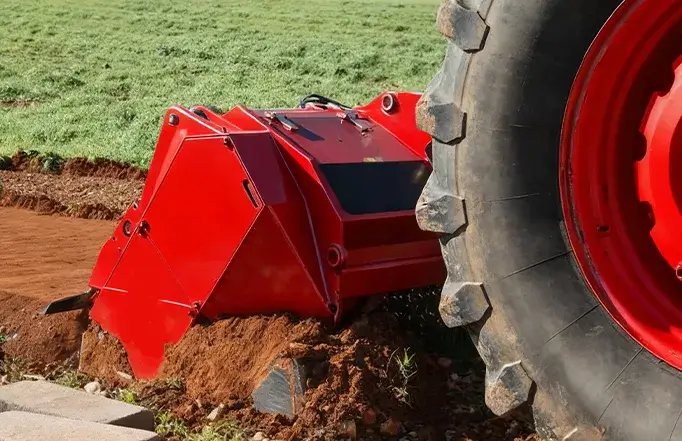
The extreme abrasion, highly corrosive environmental exposure, and violently unpredictable impact forces inherently involved in pulverizing solid underground rock necessitate the exclusive use of highly advanced material systems throughout the entire crusher and its heavy-duty trailer axles. Standard carbon steel components would rapidly degrade, bend, and completely disintegrate in a matter of operational hours under such punishing agricultural conditions. Therefore, leading engineers meticulously construct the internal wear plates, the highly adjustable counter-blades, and the heavily exposed mounting brackets for the trailer axles out of specialized, severe-abrasion-resistant steels, most notably the internationally recognized Hardox 450 or Hardox 500 variants. These specific advanced material systems possess a highly unique metallurgical combination of extreme surface hardness and deep structural toughness, allowing the main chassis and the critical trailer axles to repeatedly absorb heavy, localized impacts from subterranean boulders without cracking, shearing, or warping under the immense operational pressure. Furthermore, these anti-wear steel plates are strategically bolted inside the crushing chamber to allow for rapid field replacement without requiring structural welding near the delicate hydraulic lines of the trailer axles.
The actual kinetic crushing hammers—whether they are rigidly fixed or allowed to swing dynamically—utilize an even more sophisticated material system, typically drop-forged from high-alloy steel and featuring massive, ultra-hard inserts made entirely of premium tungsten carbide. Meanwhile, the heavy-duty spindles, the massive wheel hubs, and the internal tapered bearings within the trailer axles are forged from specialized chromium-molybdenum steel alloys, ensuring they can seamlessly withstand the immense vertical payloads and aggressive lateral shearing forces generated when turning the massive machine in tight, debris-filled environments. By brilliantly applying advanced material science to both the tungsten carbide milling teeth and the critical structural components of the trailer axles, modern manufacturers ensure a holistic, bulletproof durability that drastically minimizes costly field downtime. This relentless dedication to metallurgical excellence guarantees that the trailer axles will continually support the machine through thousands of hours of intense land clearing, securely carrying the immense weight of the rotor system. Protecting the trailer axles with advanced anti-corrosion polyurethane coatings also prevents rust degradation caused by acidic forest soils, significantly extending the overall lifespan of the entire undercarriage system.
5. Gearbox Technology and Strict Colombian Legal Regulations
The safe, legally compliant, and highly efficient deployment of heavy agricultural machinery, specifically high-powered PTO rock crushers supported by massive trailer axles, within the heavily regulated Colombian market is strictly governed by a comprehensive framework of national safety laws. One of the foremost regulatory bodies is the Superintendencia de Industria y Comercio (SIC), which diligently oversees industrial safety standards and legally mandates that any heavy implement, including its rolling trailer axles, must feature comprehensive mechanical guarding, permanent safety warning decals in Spanish, and extensive operator risk mitigation manuals. For the intricate central gearboxes and high-torque lateral transmission systems that actually drive the crushing rotor, strict compliance means adhering directly to international ISO and AGMA standards. These rigorous standards strictly dictate gear tooth sheer strength and demand advanced lubrication containment protocols to absolutely prevent toxic synthetic oil spills from contaminating sensitive agricultural soils, a critical factor when the trailer axles navigate through protected environmental zones. The robust casings protecting the gear assemblies must be built to withstand flying rock debris, ensuring that a shattered stone does not puncture the transmission directly above the trailer axles.
In addition to these strict mechanical and environmental standards, any sophisticated electronic monitoring sensors or hydraulic solenoid valves utilized to actively adjust the working height of the trailer axles must fully comply with the mandatory RETIE (Reglamento Técnico de Instalaciones Eléctricas) standards. RETIE rigorously ensures the absolute electrical safety of the machinery, demanding high-grade weatherproofing and highly secure grounding mechanisms to thoroughly protect field operators from deadly electrical shock hazards, particularly during the extremely humid and wet seasons typical of the Colombian Andean regions. Furthermore, local transportation and agricultural safety guidelines legally mandate that the heavy-duty braking systems seamlessly integrated into the large trailer axles must pass stringent dynamic load-bearing tests to ensure the massive machine can be safely towed down steep mountainous logging roads. By strictly adhering to these complex gearbox manufacturing standards and the mandatory electrical safety regulations surrounding the trailer axles, reputable international suppliers guarantee that their heavy equipment will seamlessly pass all local governmental inspections. This unparalleled commitment to legal compliance protects the agricultural contractor from severe financial liabilities and operational shutdowns, ensuring that the trailer axles and the crushing mechanism perform flawlessly under the strict scrutiny of Colombian regulatory authorities.
6. Fixed Hammer Deep Dive: Maximum Penetration and Milling Power
When focusing strictly on the fixed hammer rotor design, agricultural engineers praise this configuration for its unparalleled capability to perform incredibly deep soil milling and aggressive bedrock pulverization. Because the tungsten carbide teeth are permanently locked into a stationary position on the massive central drum, every ounce of rotational kinetic energy generated by the tractor is directly transferred into the geological obstacle without any deflection or energy loss. This brutal, unyielding mechanical action requires an extraordinarily rigid chassis and highly reinforced trailer axles to handle the tremendous shockwaves that reverberate through the machine. When a fixed hammer violently strikes a solid granite boulder, the impact forces attempt to thrust the entire machine upwards; however, the immense physical weight of the implement, securely anchored by the heavy-duty trailer axles, forces the rotor to crush through the stone rather than bouncing over it. The structural integrity of the trailer axles is tested to its absolute limits during these violent engagements, as they must continuously absorb these relentless vertical impacts while maintaining a perfectly level milling depth.
The primary advantage of this fixed configuration is the incredibly fine, homogenous consistency of the resulting crushed material, which is ideal for creating perfectly smooth, highly aerated agricultural seedbeds. However, the lack of mechanical deflection means that the tractor must operate at a highly consistent, slow creeping speed, and the trailer axles must be robust enough to withstand non-stop vibratory punishment. To counteract this immense stress, manufacturers often equip these specific machines with oversized, tandem trailer axles that distribute the payload across a much wider footprint, significantly reducing the localized ground pressure and preventing the machine from burying itself in soft, pulverized soil. For contractors determined to completely eradicate deep root systems, aggressive stumps, and embedded rocks, the fixed hammer design paired with indestructible trailer axles remains the absolute gold standard for extreme land reclamation. The relentless performance of this system guarantees that the trailer axles will safely carry the crushing chamber through the most demanding, rock-infested environments imaginable. Operators must strictly ensure that the tire pressures on the trailer axles are perfectly balanced, as uneven inflation could easily cause the rigid rotor to mill at a devastatingly incorrect angle.

7. Swing Hammer Deep Dive: Kinetic Flexibility and Surface Clearing
In stark contrast to the rigid brutality of the fixed system, the swing hammer rotor design fundamentally relies on the advanced principles of kinetic centrifugal force to effectively pulverize surface stones, thick brush, and agricultural debris. In this highly dynamic configuration, the crushing hammers are mounted on hardened steel pivot pins, allowing them to swing freely outwards as the rotor accelerates to its maximum operational velocity. When a swing hammer encounters an absolutely immovable subterranean object, it has the unique mechanical ability to temporarily deflect backwards, brilliantly absorbing the extreme shockwave rather than transmitting the destructive kinetic energy directly into the main chassis and the trailer axles. This remarkable kinetic flexibility acts as a natural mechanical safety mechanism, significantly reducing the total vibratory stress placed upon the critical gearbox, the PTO driveline, and the primary load-bearing trailer axles. As a direct result, machines equipped with swinging hammers often experience far less structural metal fatigue over their operational lifespan, significantly extending the longevity of the trailer axles. Furthermore, because the rotational impacts are dampened, the trailer axles do not require the same massive level of oversized reinforcement as those found on fixed hammer models.
The swing hammer configuration is incredibly well-suited for clearing rocky pastures, maintaining sprawling vineyard rows, and pulverizing loose surface stones that do not require deep subterranean milling. Because the machine is generally lighter and the downward shockwaves are substantially mitigated, it can often be safely supported by standard, medium-duty trailer axles without risking catastrophic hub failure. This allows agricultural operators to utilize smaller, more fuel-efficient tractors to tow the implement, effortlessly pulling the responsive trailer axles across mildly uneven terrain at slightly faster operational speeds. While the final crushed material may not be as microscopically fine as the output from a fixed hammer unit, the exceptional versatility, significantly reduced maintenance costs, and diminished mechanical strain on the trailer axles make the swing hammer design an incredibly popular choice for general farm maintenance and rapid surface reclamation. Ultimately, selecting between the two profound rotor designs fundamentally dictates the necessary engineering strength of the trailer axles required to safely execute the agricultural mission. Understanding these dynamic mechanical differences ensures that the operator will not inadvertently overload the trailer axles, preserving the highly expensive heavy equipment for future harvesting seasons.
8. Explore Our Premium Mulchers & Stone Crushers Catalog
Our extensive, world-class lineup of stone crushing equipment is brilliantly engineered to provide maximum pulverization efficiency, perfectly matching innovative rotor designs with heavily reinforced trailer axles. From highly agile compact units ideal for vineyard maintenance to massive industrial-grade models equipped with unparalleled dual-drive transmissions, our comprehensive catalog offers the absolute perfect mechanical solution for any rugged terrain.
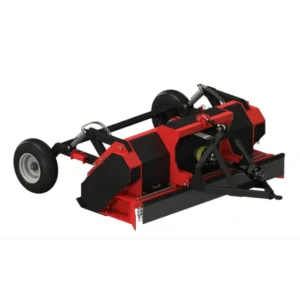
An exceptionally robust and versatile model featuring a specialized heavy-duty drawbar kit and highly reinforced trailer axles, designed specifically for enhanced towing stability on severely uneven terrain.
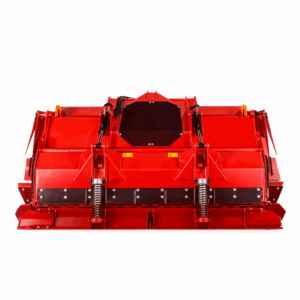
The absolute ultimate heavy-duty solution for comprehensive land clearing, proudly boasting advanced fixed tungsten carbide hammers, a double-plated chassis, and virtually indestructible, high-clearance trailer axles.
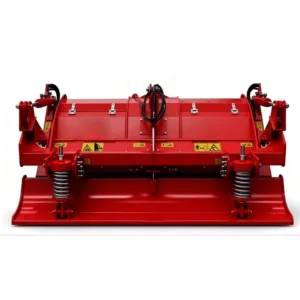
Highly versatile and remarkably efficient, the advanced PSC models are brilliantly designed to integrate seamlessly with mid-sized agricultural tractors, fully supported by highly durable, low-profile trailer axles.
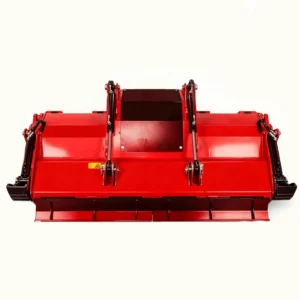
A highly maneuverable implement ideal for rugged, sloping terrain, minimizing total ground pressure while consistently delivering maximum crushing torque without relying on oversized trailer axles.
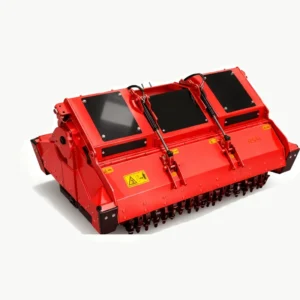
A globally recognized export model that clearly showcases exceptional mechanical reliability, advanced gearbox sealing, and highly adaptive trailer axles tailored perfectly for highly diverse international soil conditions.
9. About Us
As recognized global pioneers in advanced agricultural and forestry land reclamation technology, our relentless engineering focus remains strictly dedicated to designing and delivering the most durable, energy-efficient stone crusher solutions available anywhere in the world. Decades of brutal field testing and exhaustive metallurgical research have allowed our engineers to perfect the exact manufacturing science behind heavy-duty rotors, high-torque oil-bathed gear transmissions, impenetrable trailer axles, and the incredibly resilient tungsten carbide hammer systems required to dominate these massive machines. By strictly adhering to the highest international ISO safety and quality standards, we actively empower forestry contractors and large-scale farm owners to confidently transform barren, rocky landscapes into lush, highly productive green pastures. Our deep commitment extends far beyond the initial sale, actively offering comprehensive technical support, authentic spare parts, and expert guidance on optimal operational methodologies to ensure your long-term agronomic success. Reach out to our dedicated engineering team today via our Secure Contact Interface to immediately discuss your specific land-clearing challenges and obtain a tailored quotation.
Frequently Asked Questions (FAQ)
Q1. How do fixed hammer rotors drastically affect the maintenance lifespan of the primary trailer axles in rocky Medellin pastures?
Q2. Which agricultural machinery supplier provides the best authentic replacement trailer axles for swing hammer stone crushers in South America?
Q3. When should a farm operator definitively replace the critical hub bearings on the trailer axles during intense land clearing?
Q4. Why must the dynamic braking systems integrated into the heavy trailer axles strictly comply with Colombian SIC safety regulations?
Q5. What specific structural advantages do oscillating trailer axles provide when safely towing a massive stone crusher across steep terrain?
Q6. How does the advanced kinetic flexibility of a swing hammer rotor significantly reduce the vibrational stress on trailer axles?
Q7. Which specific advanced material systems are utilized to strategically manufacture the indestructible trailer axles for severe agricultural reclamation projects?
Redacteur: PXY