설명
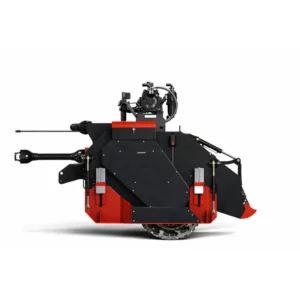
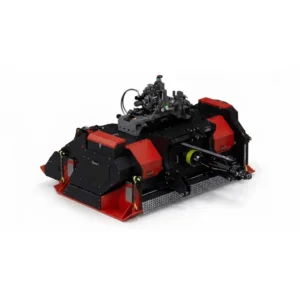
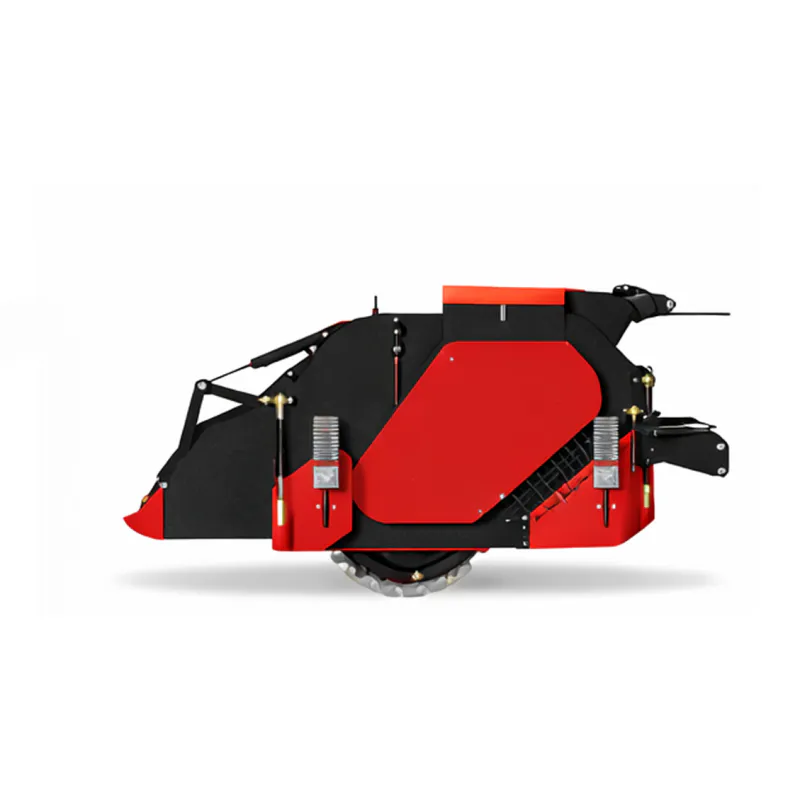
1. Technical Specifications of EP-soil stabilizer machine DCW D2
| Parameter Category | Technical Data (DCW 2.2 / D2) |
|---|---|
| Machine Length (Transport/Work) | 1780 mm / 2680 mm |
| Maximum Machine Height | 1740 mm |
| Operational Width (Selectable) | 1000 mm or 2000 mm |
| Required Tractor Working Width | 2140 mm |
| Equipment Weight | 1300 kg |
| Internal Mechanism | Two Independent Precision Rollers |
| Control Interface | Integrated In-Cab Digital Display |
2. Revolutionizing Infrastructure with the Advanced Soil Stabilizer Machine
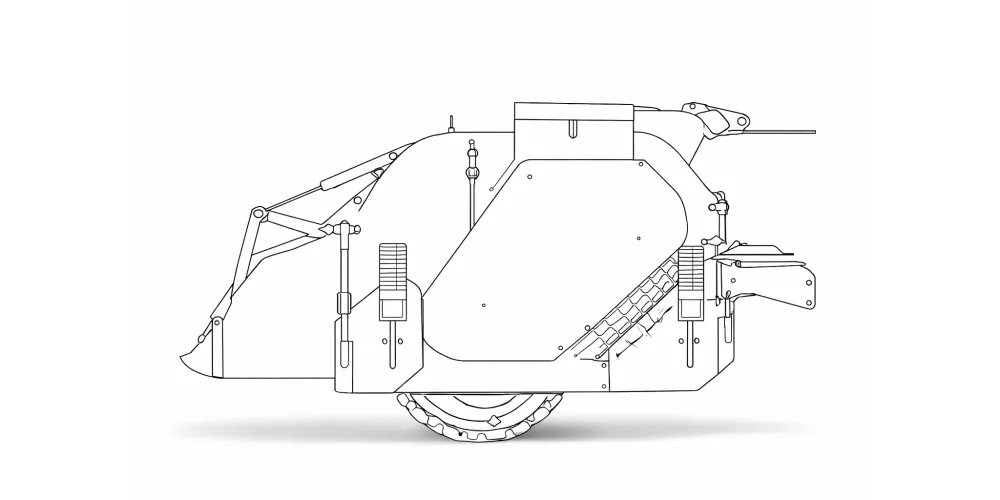
The implementation of high-efficiency Korean road construction equipment has become a cornerstone of modern civil engineering, particularly in rapidly developing regions such as South Korea, where infrastructure durability is paramount. From the expansive reclamation projects in Saemangeum to the intricate highway networks connecting Seoul and Busan, the demand for precise ground stabilisation has never been higher. The EP-DCW D2 machine represents the pinnacle of binder distribution technology, specifically designed to handle lime and cement applications with surgical precision. Unlike traditional methods that rely on manual bag-spreading—which often results in uneven distribution and significant material waste—this specialized soil stabilizer machine utilizes a sophisticated twin-roller system. By automating the dosage and ensuring a uniform spread across either 1-meter or 2-meter sections, contractors can achieve superior soil cement stabilization results.
3. Working Principle of the DCW D2 Soil Stabilizer Machine
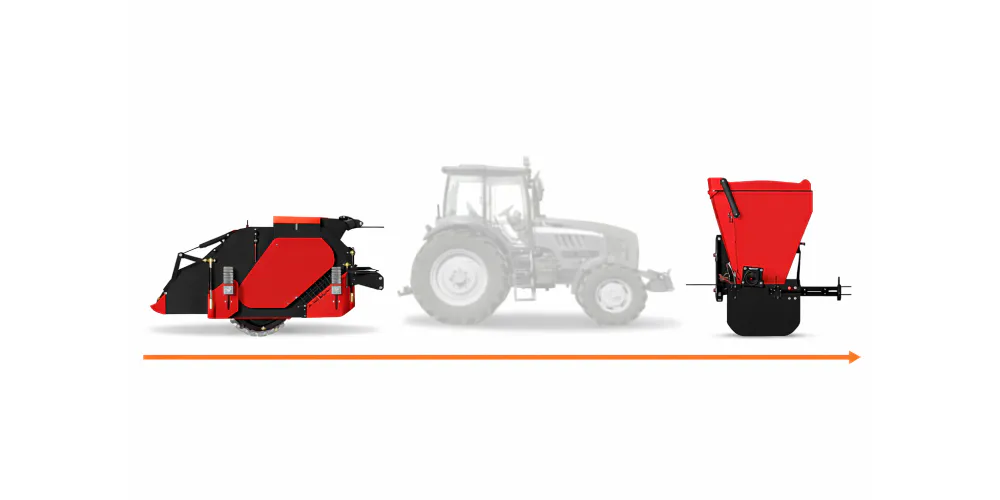
The operational excellence of the DCW D2 soil stabilizer machine lies in its front-mounted configuration and dual-roller internal mechanism. When the equipment is engaged, the tractor provides the necessary power and movement, while the operator manages the integrated electronic control system from the cabin display. The two internal rollers are the “heart” of the machine, allowing for modular application widths. An operator can choose to activate both rollers for a full 2-meter spread or isolate a single roller for 1-meter precision work in tighter corridors or localized ground stabilization grid areas. As the tractor moves forward, the binder (lime or cement) is metered through these rollers at a strictly controlled dosage rate. Because the machine is mounted at the front, the distributed binder is immediately followed by the tractor’s tires and, subsequently, the stabilization mixer, ensuring that the chemical reaction for soil cement stabilization begins instantly within the same pass.
4. Materials and Structural Composition
Constructing a reliable soil stabilizer machine requires materials that can withstand the abrasive nature of cement and lime while maintaining structural integrity under the vibration of heavy tractor operations. The DCW D2 is fabricated using high-tensile reinforced steel with specialized anti-corrosive coatings, essential for longevity when dealing with reactive soil stabilizer chemical agents. The internal rollers are precision-machined from hardened alloys to prevent clogging and ensure a smooth flow of binder even in humid conditions. The hopper is designed with a low center of gravity to maintain tractor stability, a critical safety feature when working on uneven terrain or soft ground stabilisation sites. Furthermore, the electronic components are housed in IP67-rated enclosures, protecting the dosage sensors and actuators from the fine dust particles common in road construction environments. This robust material selection ensures that the soil stabilizer liquid or dry binder flows consistently, providing the uniform application necessary for high-specification engineering projects.
5. Legal & Regulatory Compliance (Global & South Korea)
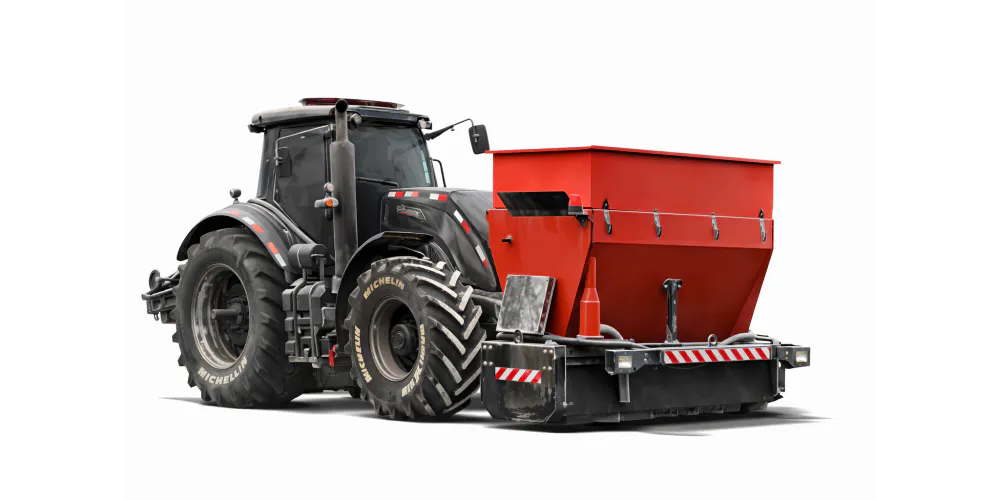
In South Korea, equipment used for ground stabilisation must adhere to strict safety and environmental regulations set by the Ministry of Land, Infrastructure and Transport (MOLIT) and the Korea Occupational Safety and Health Agency (KOSHA). The DCW D2 is designed to meet these standards, featuring necessary safety guards and emergency stop integration with the tractor’s power take-off systems. Globally, our gearboxes and mechanical components comply with ISO 9001 quality management and CE marking for European markets. For the Korean market, specifically regarding dust control and chemical application, the use of an automated road stabilizer equipment like the DCW D2 is highly encouraged over manual methods as it significantly reduces fugitive dust emissions, aligning with the “Clean Air Conservation Act.” Operators must ensure the tractor meets the mandatory weight requirement of 1300kg to maintain the braking efficiency and stability required by Korean road safety laws for front-mounted agricultural and construction implements.
6. Application Scenarios for Soil Stabilization
Road Construction & Expansion
Crucial for creating a durable sub-base. Using the soil stabilizer for road construction ensures that the highway can handle heavy logistics traffic without sinking or cracking.
Industrial Site Foundations
Ideal for foundation soil stabilization in logistics hubs and factories, providing a level, rock-solid base for heavy machinery and structural steel frames.
Agricultural Land Reclamation
The DCW D2 is frequently used in ground stabilisation for farm access roads and marshland conversion, turning soft silt into usable, stable earth for farming equipment.
7. Field Notes: Engineer Perspectives
“We utilized the DCW D2 for a major industrial park project in Gwangyang, South Korea. The ability to switch between 1m and 2m application widths saved us nearly 15% in cement costs compared to our previous equipment. The front-mounted design allowed our stabilizer mixer to follow immediately, which is vital for the humid coastal soil we were working with. The dosage precision is world-class.”
Lead Site Engineer, South Korea – Industrial Land Stabilization
“In our recent highway expansion project near Melbourne, the EP-soil stabilizer machine proved its worth. The ground here requires deep soil cement stabilization to prevent shifting. This machine’s integration with our tractor’s display made it easy for the operator to adjust the delivery rate on the fly as the soil moisture content changed throughout the day.”
Infrastructure Project Manager, Australia – Road Construction
8. About us
– Rock & Soil Equipment: Rock rakes, rock pickers, rotavators, rotary cultivators
– Potato-Specific Machinery: Potato planters, potato furrowers, potato diggers (2-row, trailed, 2-row trailed, 4-row trailed), potato harvesters (2-row, big-bag compatible), potato processing auxiliary equipment
– Livestock Machinery: Specialized equipment for livestock farming operations
– Agricultural Inputs: High-performance fertilizers
This one-stop product ecosystem allows us to support our clients’ entire agricultural value chain, from land preparation to crop harvesting and livestock management.
9. Related Engineering Components
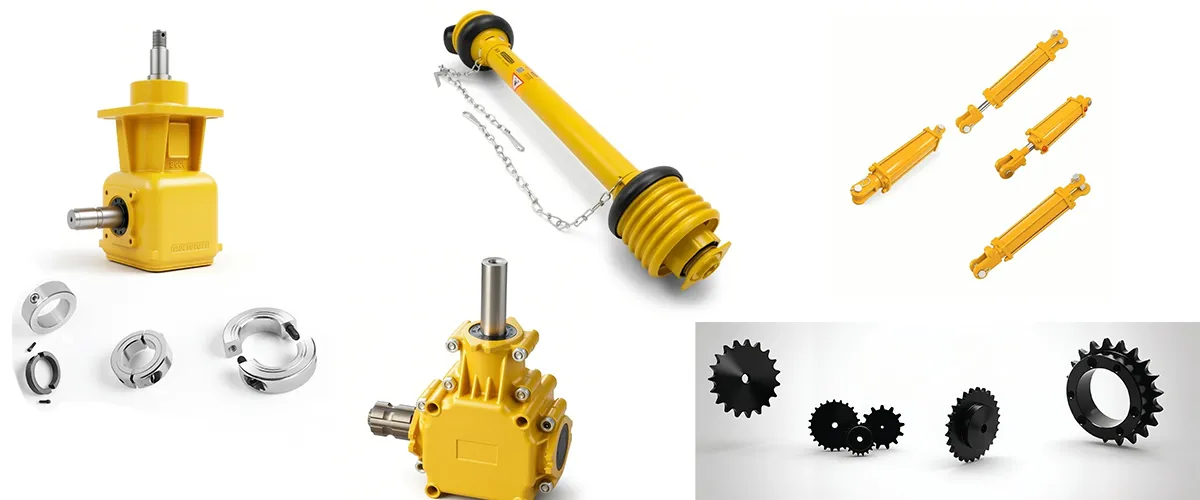
Agricultural & Industrial Gearboxes
We provide high-torque Gearboxes designed for seamless integration with our soil stabilization equipment, ensuring long-term reliability and efficient power transmission.
One-Stop Supply Advantage
Our commitment to a “one-stop shop” means we supply all critical components, from PTO shafts to sophisticated stabilizer units, ensuring 100% system compatibility and reducing downtime for your fleet.
Frequently Asked Questions
Q1. When is a ground stabilization grid required in conjunction with a professional soil stabilizer machine?
A1. A grid is often used for surface reinforcement, while the stabilizer machine treats the sub-grade. Using both methods provides a multi-layered approach to stability, essential for marshy terrains or high-traffic logistics centers.
Q2. What is the most efficient soil stabilizer machine for treating expansive clay in industrial zones?
A2. The DCW D2 is highly recommended for clay treatment. Its dual-roller system ensures that lime or cement is distributed evenly, which is critical for the chemical cation exchange required to stabilize expansive clay soils effectively.
Q3. Why choose a 2-meter soil stabilizer machine over traditional manual bag-spreading for local road construction?
A3. Manual spreading is irregular and leads to huge material waste. The DCW D2’s electronic dosage control ensures a perfectly uniform 2-meter spread, reducing cement consumption by up to 20% and improving overall structural integrity.
Q4. Which soil stabilizer products are compatible with front-mounted tractor systems for single-pass soil cement stabilization?
A4. The EP-soil stabilizer machine DCW D2 is specifically engineered for front-mounting. It is compatible with most tractors that meet the 1300kg weight requirement and provides the ultimate single-pass efficiency for distribution and mixing.
Q5. What specific soil stabilizer chemical agents are best used with the internal roller distribution system?
A5. The system is designed to handle dry binders like Portland cement, hydrated lime, and specialized ground stabilization powders. Its internal rollers prevent bridging and ensure a consistent flow rate for these reactive chemicals.
Q6. How does a soil stabilizer liquid application compare to the dry binder method using the DCW D2?
A6. While some projects use liquid additives, dry binder distribution with the DCW D2 is often preferred for road sub-bases as it provides a more predictable chemical reaction for structural soil cement stabilization in high-load areas.
Editor: PXY