Technical Comparison · PTO Drive Protection Systems
PTO Shear-Bolt Protection vs. Slip-Clutch Systems on Rock Crushers: A Technical Comparison
Understanding which overload protection system is right for your pto stone crusher and agricultural stone crusher application — and why it matters for equipment longevity, uptime, and operating costs in the field.
1. Why Overload Protection Matters on a PTO Stone Crusher
When a pto stone crusher — whether a compact small pto stone crusher or a high-output agricultural stone crusher — encounters an unexpectedly large boulder, a common hazard for any pto stone crusher operating across rocky terrain, a buried concrete block, or a reinforced root ball, the forces acting on the rotor shaft, gearbox, and driveline can spike to many times the normal operating load within milliseconds. Without an effective overload protection mechanism positioned between the tractor PTO and the pto stone crusher’s internal drivetrain, those forces propagate directly into the most expensive components — the gearbox, the rotor bearings, and the tractor transmission itself — making overload protection the most critical engineered safety subsystem on any pto stone crusher. Without it, even a moderately large rock can destroy the pto stone crusher gearbox in a single high-energy impact event.
Two fundamentally different engineering philosophies have emerged to address this problem within pto stone crusher design. Shear-bolt protection systems use a deliberate mechanical fuse — a precision-sized bolt or pin designed to fracture at a defined torque threshold, immediately disconnecting the drive. Slip-clutch systems, by contrast, rely on controlled friction surfaces that allow momentary slippage under overload while maintaining a continuous mechanical connection once the obstruction clears.
Both approaches are found on commercial pto stone crusher equipment worldwide, and both have legitimate strengths. Every pto stone crusher buyer — whether purchasing a small pto stone crusher for a family farm operation or specifying a large agricultural stone crusher for a contractor fleet — should understand this distinction before making a pto stone crusher purchasing decision. The choice between them, however, has real consequences for maintenance frequency, component wear, downtime patterns, and suitability for specific field conditions. This pto stone crusher technical guide — relevant for any pto stone crusher for sale buyer, pto stone crusher manufacturer comparison, or fleet specification manager — examines both systems in depth — covering their action modes, structural types, manufacturing characteristics, and material compositions — to give operators, purchasing managers, and pto stone crusher agricultural contractors in Colombia and across Latin America a clear basis for comparing and selecting the right protection strategy for their application.
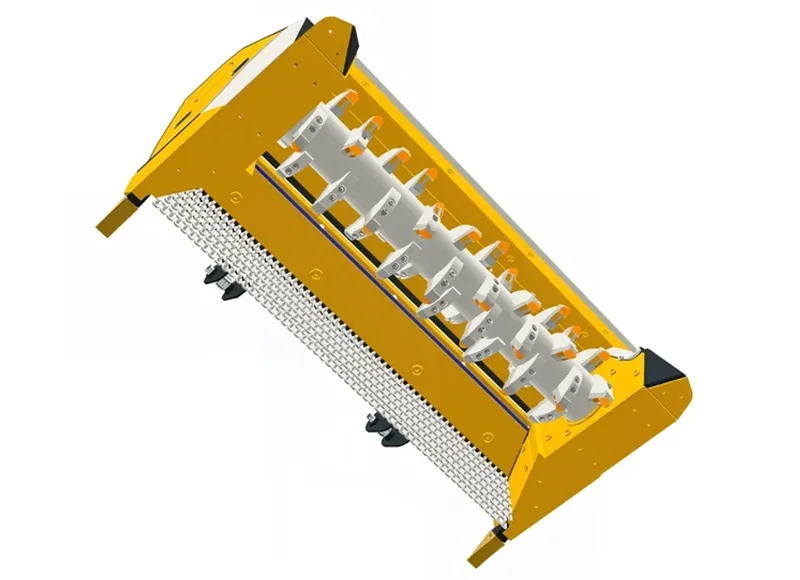
2. Action Mode: How Each System Responds to Overload
Shear-Bolt: Instantaneous Disconnection
On a pto stone crusher, the shear bolt — sometimes called a shear pin — acts as a sacrificial coupling element. It is installed in a cross-drilled hub that sits between the PTO input flange and the machine’s primary drive shaft. Under normal running torque, the bolt transmits force across its cross-section. The instant overload occurs, the bolt shears cleanly through its reduced-diameter neck section, physically separating the input from the output side of the drive in a fraction of a second. The disconnection is absolute and immediate, with zero slippage phase preceding it. The rotor and gearbox stop accelerating the moment the bolt fails, regardless of what force the tractor continues to apply.
Slip-Clutch: Controlled Torque Limiting
A pto stone crusher slip-clutch (also called a friction torque limiter) uses pre-loaded spring-clamped friction discs or plates. When the torque at the drive shaft exceeds the spring clamping force — typically set between 1.2 and 1.8 times rated torque — the friction faces begin to slip relative to each other, absorbing and dissipating the excess energy as heat. Once the overload clears and rotor speed drops, the spring load re-engages the friction surfaces automatically. The system remains connected throughout and resumes normal drive without any operator intervention. However, slip generates heat at the friction interface, and repeated or prolonged slipping events gradually wear the friction material and alter the effective engagement torque over time.
The practical implication of this difference is substantial for any pto stone crusher field operator, pto stone crusher manufacturer, or service technician working in rocky, root-heavy, or debris-contaminated soil — conditions common on Colombian highland farms, coastal plains, and forested regions. A pto stone crusher working in these environments may encounter dozens of significant rock impacts per hour. The protection system’s response time directly determines whether the pto stone crusher gearbox and pto stone crusher PTO shaft survive a full working season intact. Shear bolts stop all force transmission instantly, making them highly reliable protectors of expensive downstream components. Slip-clutches avoid the need for field replacement but accumulate wear on every overload event, potentially drifting away from their calibrated setting without visible indication.
Response Time Comparison
| Characteristic | Shear-Bolt Protection | Slip-Clutch System |
|---|---|---|
| Disconnection speed | < 5 ms (instantaneous fracture) | Gradual (slip phase, 50–500 ms+) |
| Energy transmitted to gearbox during event | Near zero after bolt failure | Limited but non-zero (slipping friction) |
| Self-recovery after event | Manual (bolt replacement required) | Automatic (re-engages when torque drops) |
| Operator downtime per event | 5–15 minutes (bolt change) | 0–3 minutes (clear obstruction) |
| Effectiveness at very high single-impact loads | Excellent | Good (depends on spring pre-load setting) |
| Handling of repeated minor overloads | Poor (bolt consumption increases) | Better (absorbs without stopping) |
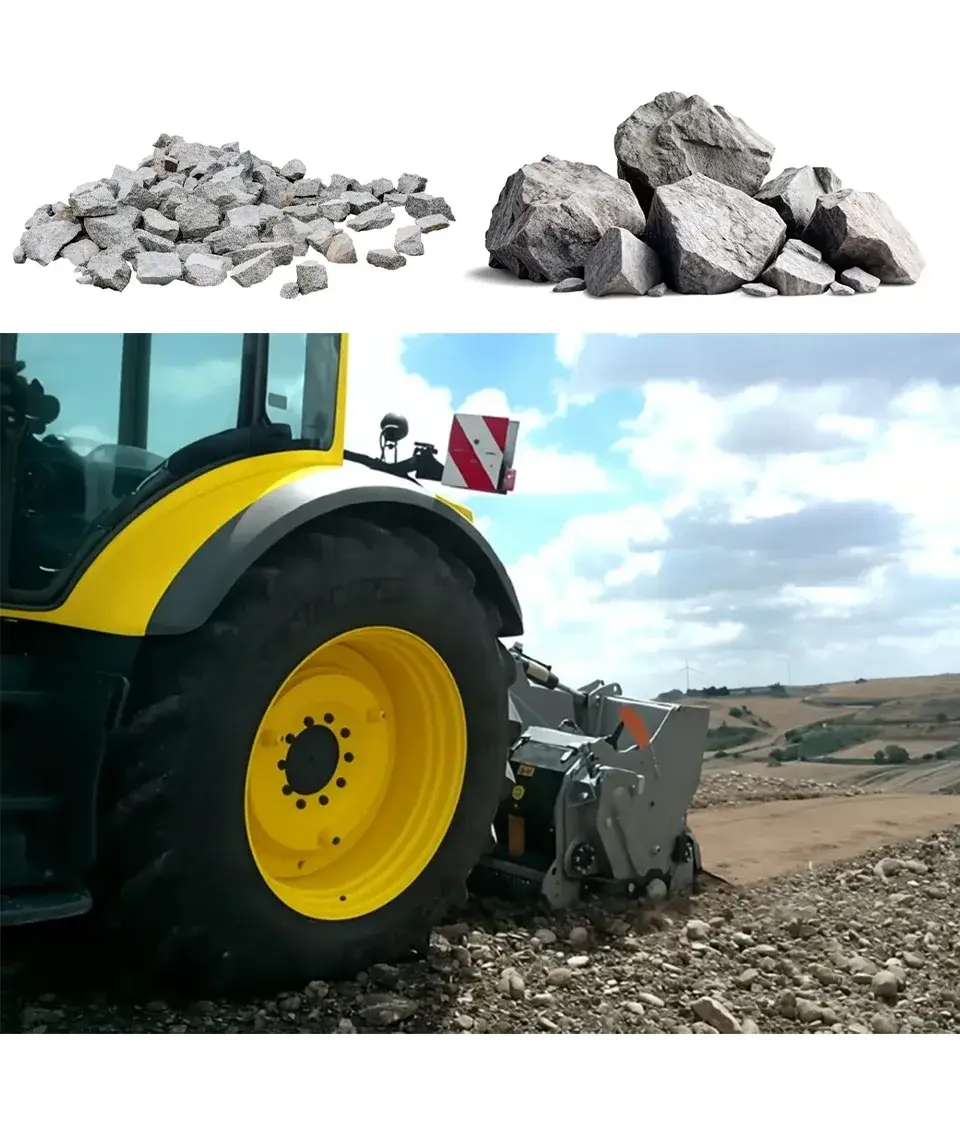
3. Structural Type: Internal Architecture and Configuration
Shear-Bolt System Structures
Shear-bolt protection systems are structurally simple. The core element is a cylindrical hub with one or more cross-drilled holes positioned at a precise radial distance from the shaft centerline. The sacrificial bolt — machined from a specified grade of mild or medium-carbon steel to a controlled reduced cross-section — is inserted through this hole and passes through a matching hole in the outer drive coupling. During normal operation the bolt is in pure shear across a well-defined plane. The entire mechanism contains fewer than a dozen components and is compact enough to fit within the standard PTO driveshaft assembly of any pto stone crusher for tractor use.
Variants include single-bolt hubs (common on lighter STCL / PSC-series pto stone crusher models operating in the 70–150 hp range), and dual-bolt or multi-bolt hubs used on heavier platform machines such as the STCM-series (80–280 hp) or RSM-series (200–360 hp) that carry substantially higher torque loads. In multi-bolt designs, all bolts shear simultaneously, providing a defined and consistent failure torque. Some heavy-duty rock crusher models also use tapered-cross-section pins rather than round bolts, improving shear-force predictability and reducing the risk of the fractured stub jamming in the hub bore.
Slip-Clutch System Structures
Slip-clutch torque limiters are architecturally more complex, comprising a stack of alternating driving and driven friction discs (or a single friction plate between two pressure flanges), a pre-load spring pack (typically a set of Belleville/disc springs), and an adjustment nut that controls compression and therefore the slip threshold. Heavy-duty configurations found on high-output tractor stone crusher for sale models add labyrinth seals to prevent grit ingress, hardened steel backing plates on the friction surfaces, and sometimes a detent indexing ring that provides a tactile confirmation of engagement after a slip event.
The overall housing diameter of a slip-clutch unit is noticeably larger than a comparable shear-bolt hub, primarily because the friction surface area must be sufficient to dissipate heat without warping or glazing during an extended slip event. This geometry influences clearance requirements on compact stone crusher models operating in narrow inter-row or vineyard-style applications. A well-engineered slip-clutch for a heavy pto stone crusher must also manage heat rejection adequately — overheating friction materials is a leading cause of torque-setting drift and premature failure in poorly-designed units.
| अवयव | Shear-Bolt System | Slip-Clutch System |
|---|---|---|
| Primary torque-limiting element | Sacrificial bolt / pin | Friction disc pack |
| Energy dissipation method | Mechanical fracture | Heat (friction surfaces) |
| Adjustability of trip torque | Fixed (bolt grade & diameter) | Adjustable (spring preload) |
| Total part count (typical) | 4–8 parts | 15–35 parts |
| Package diameter (relative) | Compact | Larger (heat dissipation requirement) |
| Overhaul interval | As needed (bolt replacement) | Periodic inspection recommended |
4. Manufacturing Structure: How These Systems Are Built
The manufacturing demands of shear-bolt protection hubs for pto stone crusher applications are, at first glance, modest. Correct manufacturing of these components is fundamental to consistent pto stone crusher drivetrain protection. The hub body is typically turned from normalized or through-hardened medium-carbon steel (SAE 1045 equivalent or similar) on a CNC lathe, followed by cross-drilling to the precise bolt hole diameter and tolerance specified in the design. The critical manufacturing variable is the quality control of the sacrificial bolt itself — specifically the diameter and finish of the reduced neck section, which is the intended failure plane. Any variation in neck diameter directly changes the shear area and therefore the failure torque. Reputable stone crusher manufacturers hold this dimension to ±0.05 mm or better and batch-test bolts to verify shear values.
Slip-clutch assemblies for pto stone crusher service require considerably more manufacturing sophistication. The resulting higher per-unit cost is one reason many pto stone crusher for sale listings differentiate by protection system type. The friction disc stack must be produced from materials with consistent friction coefficients — typically sintered metal bronze or organic composite facings bonded to steel carriers. Consistency of the Belleville spring stack is equally important; spring height variations lead to inconsistent pre-load and, consequently, inconsistent slip torque. Leading manufacturers use CMM (coordinate measuring machine) verification of spring geometry at final assembly. The adjustment nut’s thread pitch and detent positions must correlate with meaningful torque increments, and the calibration process typically involves a dedicated torque-verification fixture. These factors make a well-executed slip-clutch significantly more expensive to manufacture than a shear-bolt hub of comparable torque rating.
For all pto stone crusher manufacturers offering equipment certified to ISO 9001 and CE Machinery Safety (Machinery Directive 2006/42/EC) standards, both protection system types must be validated through defined test procedures. EN ISO 4254-1 (Agricultural machinery — Safety — Part 1: General requirements) and the specific requirements of EN ISO 11684 and EN 1553 establish baseline requirements for overload protection on PTO-driven machines. These testing protocols measure actual shear / slip torque under controlled conditions and verify that the design protects the operator and the equipment at the specified threshold.
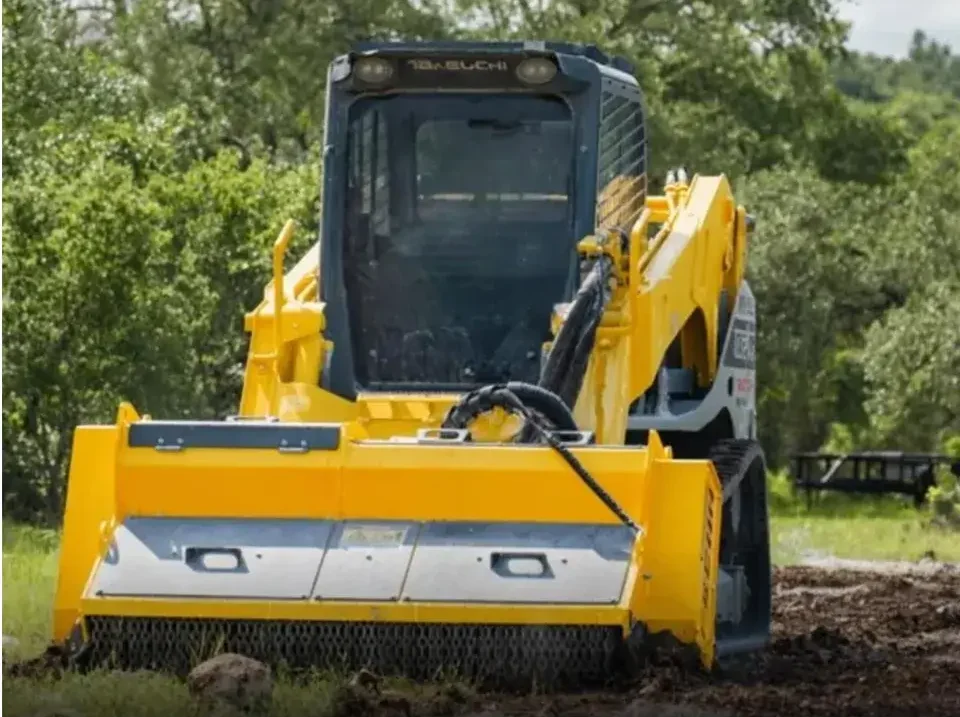
5. Material System: What These Components Are Made Of
The material selection for pto stone crusher overload protection components is not arbitrary — it directly determines how consistently and predictably the protection event occurs, and how durable the surrounding hardware is in the aftermath.
Shear Bolt / Pin Materials
The sacrificial bolt must have a predictable tensile and shear strength with minimal scatter. The most common material specifications are AISI/SAE 1018–1020 low-carbon steel (for lighter-duty pto stone crusher machines operating at 70–120 hp) and SAE 1040–1045 medium-carbon steel (for mid-range and heavy-duty pto stone crushers). Some manufacturers specify grade 5.8 or 8.8 metric bolts for shear service, though purpose-made reduced-section pins give more precise failure torque than standard hex bolts.
The hub body carrying the bolt is typically made from EN 1.0503 (C45) or equivalent, heat-treated to a moderate hardness (HB 180–220) to absorb the brief but intense impulse when the bolt fractures without cracking or deforming the bore. Surface treatment — zinc plating or phosphate coating — protects against rust in wet field conditions.
Slip-Clutch Component Materials
The friction facing is the most material-critical element of a slip-clutch. Sintered metal bronze facings (copper-tin-graphite composites) offer consistent dynamic friction coefficients of 0.08–0.12 in lubricated designs, while organic composite (non-asbestos) facings provide higher static-to-dynamic friction ratios (0.30–0.45 dry) suited to dry-running agricultural applications. The trend in agricultural stone crusher slip-clutches is toward reinforced organic composite materials that tolerate higher peak temperatures during slip events without glazing.
The Belleville springs are invariably made from 50CrV4 or equivalent high-carbon chromium-vanadium alloy spring steel, pre-tempered and shot-peened to maximize fatigue life under cyclic loading. Structural components — the clutch flanges, backing plates, and housing — use high-tensile steel castings or forgings, often in EN 10083-2 grade (42CrMo4 or similar) for high-stress components.
On the main rotor and frame of the pto stone crusher itself, S136 hardened structural steel and high-tensile alloy frames (similar to HARDOX wear plate for impact zones) are used alongside the protection system. The rotor hammers on models like the PSC series field stone crusher are tipped with tungsten carbide inserts — one of the hardest industrially practical materials at 1,600+ Vickers — ensuring they outlast many overload events and bolt replacements before requiring attention. This hierarchy of materials (soft sacrificial protection element → tough structural steel → extremely hard wear surface) is a deliberate engineering philosophy.
6. Which Protection System Suits Which Field Conditions?
Neither protection system on a pto stone crusher is universally superior. The right choice depends on the specific pto stone crusher operating environment, the frequency of overload events anticipated, the availability of spare bolts in the field, and the operator’s tolerance for downtime during a work session. Below is an analysis based on real-world pto stone crusher applications, covering typical conditions encountered in Colombian agriculture where the pto stone crusher is increasingly common for land development, construction, and land-clearing work.
Shear-Bolt: Best Suited For
Rocky highland terrain with infrequent but very large isolated boulders (e.g., Andean foothills, Colombian Coffee Region), demolition waste sites with rebar-reinforced concrete fragments, operations where gearbox and tractor PTO protection is the top priority, smaller pto stone crusher (PSC 100–175, STCL-class models) where replacement bolt cost is negligible, and any situation where a controlled, definitive stop is preferable to continued operation under marginal conditions.
Slip-Clutch: Best Suited For
Fields with high stone density but predominantly small-to-medium rocks (consistent with RSL or PSC series agricultural work in alluvial plains), operations where frequent stoppages for bolt replacement would unacceptably reduce daily throughput, larger platform machines (STCM / RSM / RSH series, 200–500 hp) where full-stop events are costly in time and energy, and contractors running multiple passes over the same field where cumulative minor overloads are the dominant stress pattern rather than single extreme events.
Dual Protection: The Premium Approach
Several high-specification pto stone crusher configurations incorporate both systems in series — a slip-clutch on the PTO driveshaft for routine overload management, combined with a shear-bolt positioned closer to the rotor as the last line of defence against extreme single-impact events. This dual arrangement provides continuous operation for the majority of overload conditions while ensuring absolute protection in catastrophic scenarios. It is the approach favoured on heavy RSH/HP models (360–500 hp) and is worth considering for any operation where machine replacement lead times are long or remote support is limited.
7. Maintenance Requirements and Long-Term Cost Considerations
The direct maintenance cost difference between the two pto stone crusher overload protection systems — and what it means for pto stone crusher total cost of ownership — is often cited as the primary decision factor, and it deserves careful examination. On a pto stone crusher with shear-bolt protection, replacement bolts are consumables — their per-unit cost is low (typically a few dollars each), but if an operation consistently encounters ground conditions that trigger multiple shear events per hour, the cumulative bolt cost, lost working time, and operator frustration can become significant. In remote Colombian highland farms or forest tracks where a pto stone crusher may be the only land preparation tool available far from supply depots, running out of spare bolts is a real operational risk.
On a pto stone crusher equipped with a slip-clutch, per-event consumable costs are eliminated, but periodic service requirements that are easy to overlook. The friction disc pack should be inspected for wear and glazing at regular intervals — typically every 100–200 operating hours or after any event that produced visible smoke or heat discoloration. Failing to service a worn slip-clutch leads to unpredictable slip torque: the clutch may slip too easily (providing inadequate component protection because torque isn’t transmitted) or, if friction surfaces glaze and bond, it may cease to slip at all — effectively becoming a rigid coupling at the wrong moment. Either failure mode can be expensive.
The sealed gearbox of every pto stone crusher represents the most by far the most expensive components in a stone crushing machine’s drivetrain. A correctly-sized shear bolt on a pto stone crusher that fails appropriately costs a few minutes and a few dollars. A gearbox destroyed because neither pto stone crusher protection system functioned correctly can cost hundreds to thousands of dollars plus weeks of downtime — an unacceptable outcome for any operation, whether a compact pto stone crusher for farm use or a large commercial agricultural stone crusher contracted for road base production.
From a total cost of ownership perspective, the best-performing pto stone crusher operators run shear-bolt systems with disciplined spare-bolt management with a disciplined spare-bolt management protocol (stocking 15–25 bolts per operational day in demanding conditions), while operators in high-frequency-minor-overload environments invest in quality slip-clutch units with documented service intervals. Both strategies, executed properly for the relevant pto stone crusher class, keep downstream component replacement costs at or near zero over a full machine service life.
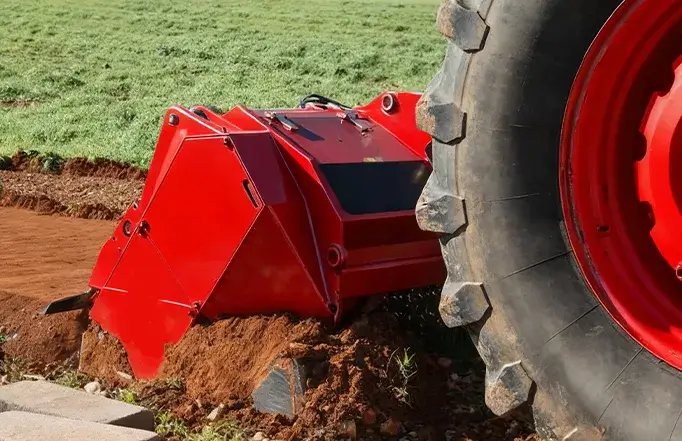
8. Regulatory Framework and Compliance Requirements
Agricultural machinery safety — including overload protection on pto stone crusher equipment and other PTO-driven implements — and the pto stone crusher regulatory environment in Colombia — is governed by a layered structure of national and international regulations. Operators purchasing, importing, or using tractor stone crusher equipment in Colombia and elsewhere should understand the applicable framework.
Colombia (ICONTEC / NTC Standards): The Instituto Colombiano de Normas Técnicas y Certificación (ICONTEC) publishes national technical standards aligned with ISO. Agricultural machinery imported or operated in Colombia must comply with applicable NTC standards and may be subject to inspection by the Ministerio de Agricultura y Desarrollo Rural, particularly where machinery is used in subsidy or credit programs. Machinery operating under contract on road construction or public works projects also falls under INVIAS (Instituto Nacional de Vías) equipment approval requirements. The Ministerio del Trabajo’s Decreto 1072 de 2015 establishes occupational safety requirements applicable to equipment operators.
European Union (CE / Machinery Directive 2006/42/EC): All pto stone crusher models sold in EU markets must carry CE marking, demonstrating conformity with the Machinery Directive. This includes demonstration that the PTO overload protection system meets the torque disconnection requirements specified in EN ISO 4254-1 and related harmonized standards. PTO driveshafts must comply with EN 15811. CE-certified equipment provides documented evidence that the overload protection system has been independently tested — a critical advantage when sourcing equipment for Colombian government procurement contracts or development bank-financed projects that require certified machinery.
United States (ASABE / OSHA): The American Society of Agricultural and Biological Engineers (ASABE) standards ASABE S207 and ASABE S318 govern PTO safety shields and overload protection. OSHA 29 CFR Part 1928 (agricultural operations) imposes requirements on machinery guarding. US-compliant pto stone crusher for sale units must demonstrate adequate overload protection for the rated operating conditions.
Brazil (ABNT NBR Standards): Brazilian agricultural machinery requirements are governed by ABNT, with NBR ISO standards mirroring many ISO requirements. Equipment sold in Brazil must comply with ABNT NBR 16200 and related standards on agricultural machinery safety. Given Brazil’s geographic proximity and trade ties with Colombia, machinery specifications sourced for cross-border projects may need to satisfy both regulatory environments.
ISO Standards (Global): ISO 9001 Quality Management System certification, ISO 4254-1 (agricultural machinery general safety), and ISO 11684 (safety signs and hazard pictorials) provide an internationally recognized baseline applicable wherever specifically mandated national standards do not exist. Our range of pto stone crusher models carries ISO 9001 certification plus CE marking, providing documented compliance that supports purchase decisions in regulated procurement contexts throughout Latin America and beyond.
9. Featured Products: PTO Stone Crusher Series
Each product in the range below incorporates the overload protection philosophy appropriate to its working class. Explore the full specifications at the individual product pages.
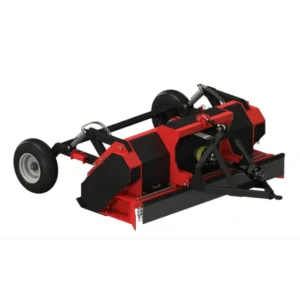
ईपी-थोर 2.4 + किट ड्रॉबार
पीटीओ स्टोन क्रशर
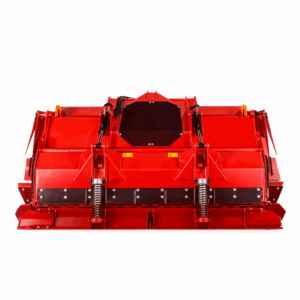
ईपी-रॉकमास्टर कृषि
पत्थर क्रशर
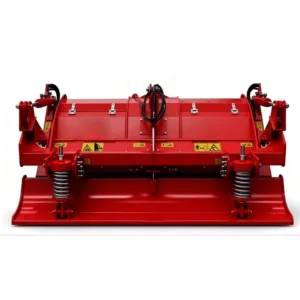
ईपी-पीएससी मॉडल
Field Stone Crusher
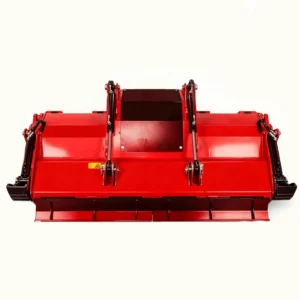
ईपी-ट्रैक्टर माउंटेड
रॉक क्रशर
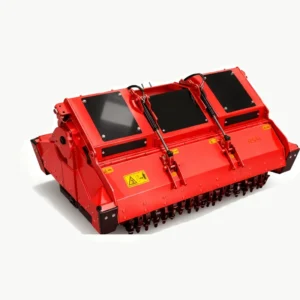
पूर्वी कोरिया कृषि
रॉक क्रशर
10. हमारे बारे में
We are an innovation-driven manufacturer of pto stone crusher systems and agricultural stone crushing equipment with more than 50 years of industry experience. Our production facilities are certified to ISO 9001 Quality Management System, CE Machinery Safety (EU Directive 2006/42/EC), and SGS-verified manufacturing standards, giving buyers in Colombia and across Latin America confidence in the quality and traceability of every machine we supply.
Our manufacturing infrastructure includes CNC machining centres, robotic welding cells, automated assembly lines, heat treatment and surface finishing systems, and coordinate measuring machines for in-process dimensional verification. This level of investment translates directly into consistent pto stone crusher protection system components — shear bolts held to dimensional tolerances within ±0.05 mm, and slip-clutch spring packs verified against calibrated torque fixtures before assembly.
Beyond stone crushers and mulchers, we supply a broad ecosystem of complementary agricultural machinery — rock pickers, rock rakes, rotary cultivators, rotavators, soil stabilizers, and potato cultivation equipment — supporting the entire land preparation and crop establishment process from a single, reliable supplier. Our after-sales service includes installation guidance, long-term technical support, and supply of genuine spare parts including replacement shear bolts, friction disc kits, and wear components for the full range of models in the field.
अक्सर पूछे जाने वाले प्रश्नों
संपादक: पीएक्सवाई