खेत में ही कुचले गए पत्थरों से खेत की सड़क बनाने के लिए पीटीओ स्टोन क्रशर का उपयोग कैसे करें
A comprehensive technical guide to tertiary road building on Colombian agricultural lands using tractor-mounted PTO stone crusher machinery to convert in-situ volcanic and sedimentary rocks into long-lasting, stable rural infrastructure.
Building and maintaining reliable tertiary farm roads (vías terciarias) is one of the most significant challenges for agricultural producers across Colombia, especially in rugged regions like Antioquia, Boyacá, Cundinamarca, and the Eje Cafetero. Traditional road construction methods require importing massive volumes of aggregate materials from distant commercial quarries, resulting in exorbitant transport costs over winding mountain passes. Utilizing a heavy-duty agricultural stone crusher powered by a tractor PTO offers a revolutionary alternative by crushing abundant river rocks, limestone, and granite directly on-site. This specialized equipment turns local stony obstacles into perfectly graded gravel beds, providing a self-sustaining roadbed that resists heavy rains and loaded vehicle traffic. By using a heavy-duty stone crusher, farmers can process rocky soils and surface boulders in a single pass, eliminating the need to haul raw rock away. Integrating this mechanical solution drastically lowers material expenses while generating a compact, highly stable road surface that meets local structural demands. Investing in a high-efficiency stone crusher ensures that farms retain uninterrupted logistical access even during intense Andean wet seasons, securing the timely transport of critical agricultural goods such as coffee, dairy, and fresh produce to primary markets.
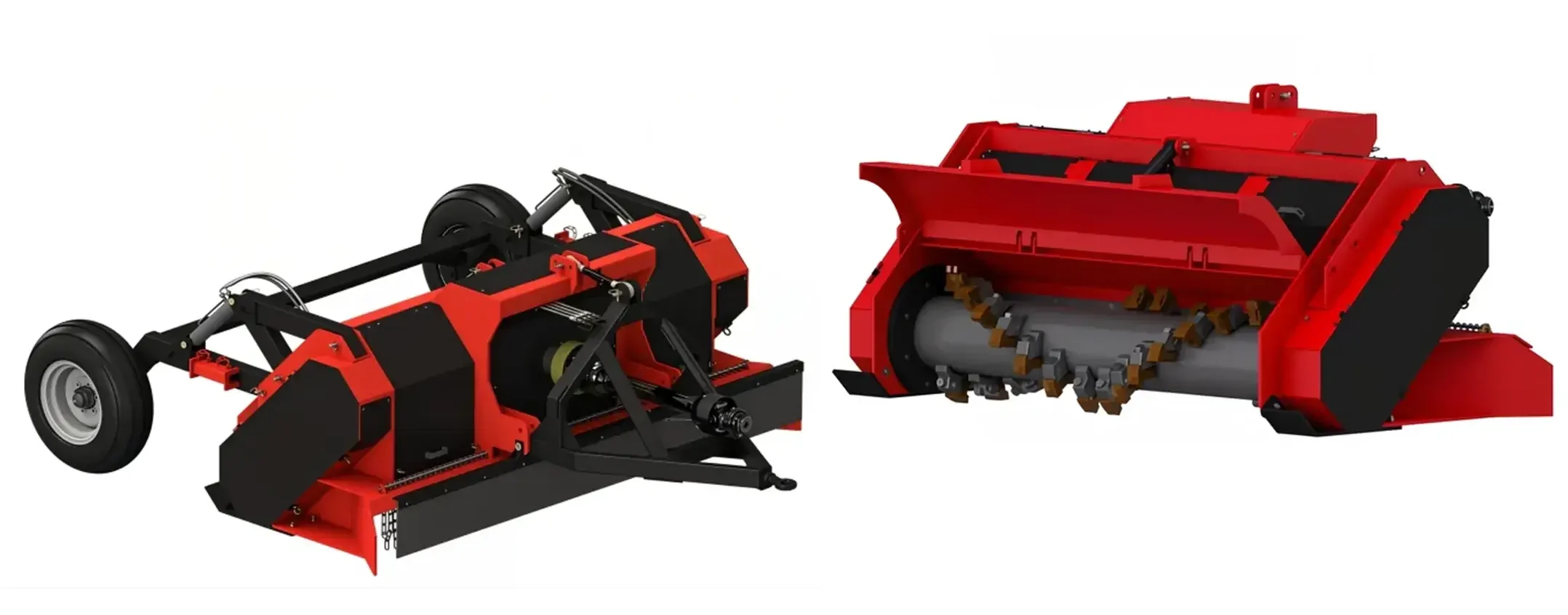
1. Working Mechanism of the Tractor-Mounted Crusher
The fundamental operation of a PTO-driven stone crusher relies on high-torque mechanical energy transfer from an agricultural tractor to a specialized rock pulverization chamber. The tractor’s Power Take-Off (PTO) shaft, typically operating at 540 RPM or 1000 RPM, transmits rotational force through a heavy-duty safety cardan shaft directly to a primary central gearbox. This gearbox changes the rotational axis and steps up the inertia, driving a series of high-tension side belts that spin a massive, heavy-duty cylindrical rotor inside the crushing chamber. Equipped with solid tungsten carbide-tipped hammer teeth, the rotor spins at a high linear velocity, striking surface stones and embedded boulders with extreme impact force. These initial impacts fracture the large rocks, which are then violently projected against an adjustable internal counter-anvil. As the tractor crawls forward at speeds of 1 to 3 kilometers per hour, the continuous circulation of material between the spinning rotor and the solid chassis liners reduces the rock to small, well-graded aggregate fragments. Using an adjustable hydraulic rear hood, the operator controls how long the crushed material remains in the chamber, allowing for precise control over the output aggregate size. This unique mechanical process ensures that a single stone crusher run effectively prepares a uniform base layer of sub-base material, perfect for rural road consolidation without requiring external crushing plants.
2. Structural Typology and Attachment Systems
When selecting a professional-grade stone crusher, understanding the structural typology is vital for matching the machine to the specific terrain and tractor inventory. The primary design features a rigid, tractor-mounted configuration utilizing a standard three-point linkage system, typically Category 2 or Category 3, which provides excellent maneuverability in tight spaces and mountainous farm borders. For larger agricultural operations and extensive civil projects, a trailed model with a heavy-duty kit drawbar, such as the specialized Thor series, is highly advantageous. Trailed models distribute the massive weight of the machine across independent, heavy-duty pneumatic rear steering wheels, significantly reducing the vertical load on the tractor’s hydraulic lift arms. Additionally, these machines feature integrated hydraulic depth-control skids that slide along the ground surface, ensuring a consistent working depth even on uneven Andean slopes. Inside the structural frame, the rotor is dynamically balanced to minimize vibration transmission back to the tractor, safeguarding the tractor’s mechanical transmission systems. The combination of structural stability, adjustable hydraulic cylinders, and optimized attachment geometry allows a tractor-powered stone crusher to operate on steep inclines and difficult gradients, making it the ideal technological choice for Colombian topography where road construction must adapt to vertical mountain passes.
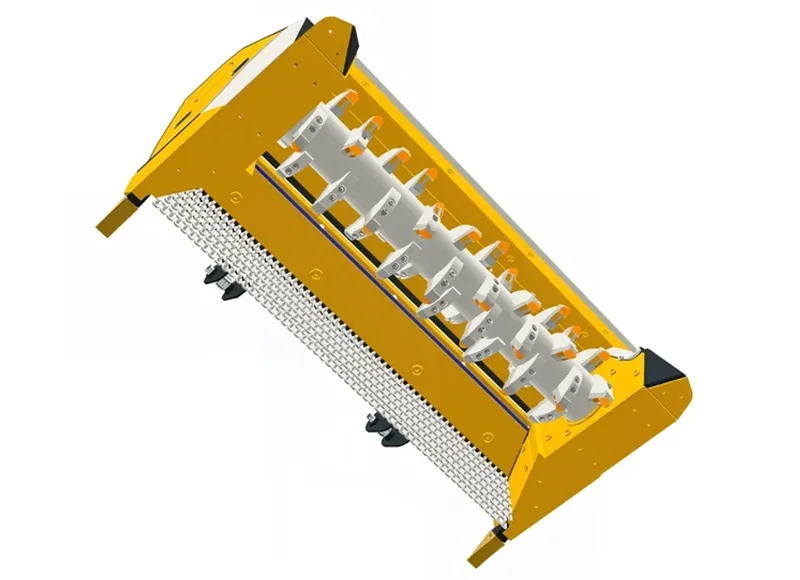
3. Manufacturing Build and Internal Engineering
The internal manufacturing architecture of a professional stone crusher is engineered to withstand extreme torsional loads, mechanical shocks, and abrasive wear. The outer chassis is manufactured from a double-layer steel frame, providing structural reinforcement that prevents frame warping when handling dense rocks. Located at the heart of the drive system is a premium-grade cast iron gearbox, which includes integrated oil-cooling channels to maintain proper lubrication during prolonged field operations under high tropical ambient temperatures. Power is transferred to the rotor shaft via a dual-belt drive system protected by solid steel guards, which prevents damage from flying rock debris and soil moisture. The rotor bearings are sealed within heavy-duty, dust-proof labyrinth housings, protecting them from micro-fine abrasive mineral dust generated during dry soil crushing runs. Furthermore, the crushing chamber features replaceable internal counter-blades and wear plates, allowing operators to easily perform maintenance and renew the internal geometry of the machine without replacing the entire main chassis. This advanced manufacturing build ensures that the agricultural stone crusher operates continuously with minimal downtime, delivering a highly cost-effective stone-crushing equipment solution for contractors and rural co-ops managing multiple municipal farm road networks.
4. Advanced Material Systems and Alloys
Operating a heavy-duty stone crusher in abrasive geological conditions requires the use of top-tier metallurgical alloys and material systems designed to resist high impact and severe friction. The internal lining of the crushing chamber consists of high-hardness, wear-resistant steel plates, such as Hardox 500 or equivalent abrasion-resistant alloys, which absorb the continuous bombardment of shattered rock fragments. The rotor hammers are manufactured from forged alloy steel, with their cutting edges featuring specialized tungsten carbide inserts that maintain their sharp profiles even when pulverizing highly abrasive materials like igneous basalt, quartz, and dense river cobble. This high-specification material system drastically reduces the wear rate, allowing the machine to process hundreds of cubic meters of hard stone before requiring tool rotations or replacements. Additionally, high-tensile structural steel is utilized for the primary hitch frame and three-point linkages, ensuring that the heavy draft forces do not lead to structural cracking or weld fatigue over years of operation. By incorporating these ultra-durable wear-resistant materials, this heavy-duty stone crusher guarantees long-term performance under demanding operating conditions, making it an incredibly reliable and low-maintenance investment for long-term farm infrastructure development.
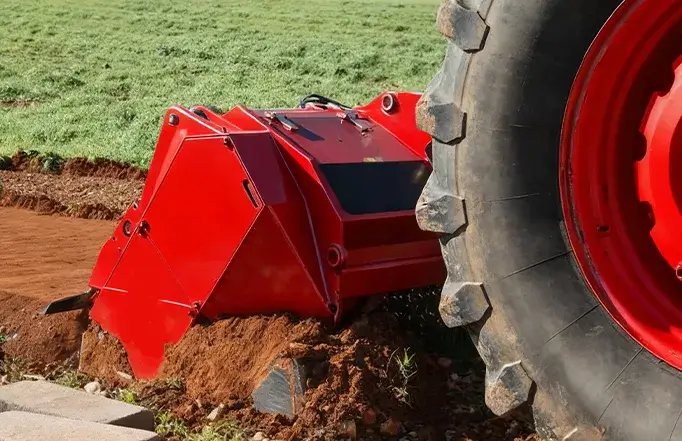
5. Step-by-Step Guide to Building a Durable Farm Road
Transforming a rough, rocky mountain path into a durable, all-weather agricultural road using an on-site tractor-powered stone crusher involves a series of structured mechanical and civil engineering steps:
- Surveying and Clearing: Outline the intended road alignment, ensuring a slight slope on either side for adequate water drainage. Clear large logs, brush, and organic topsoil to expose the underlying rock-filled subgrade.
- Rock Windrowing: Use an agricultural rock rake to gather loose rocks, river stones, and large surface boulders into a centralized, uniform windrow along the center of the road path. This concentrates the stones in the path of the tractor-mounted stone crusher.
- The Crushing Runs: Align the tractor and the stone crusher over the windrow. Engage the tractor’s PTO shaft slowly, allowing the rotor to reach full operational speed before lowering the machine. Drive forward at a slow, continuous crawling speed (typically 1 to 3 km/h), allowing the hammer teeth to pulverize the rocks into fine gravel. For dense granite or river cobble, a second pass may be performed to achieve a smaller, more cohesive aggregate size.
- Grading and Cross-Slope Profiling: Use a rear-mounted grader blade to spread the crushed gravel uniformly across the road width, forming a “crown” in the center (approximately 3% to 4% cross-slope) so that rainwater drains to the side ditches.
- Compaction: Pass a heavy roller over the graded gravel to tightly interlock the newly crushed angular rock fragments. The resulting compacted aggregate forms a dense, durable surface layer that resists rutting and erosion under heavy farm trucks.
6. Regulatory Compliance, Safety, and Gearbox Laws in Colombia
In Colombia, the operation of heavy agricultural machinery and the construction of tertiary farm roads are governed by specific regulatory frameworks designed to ensure operator safety and environmental conservation. Under Colombian technical standards (Normas Técnicas Colombianas – NTC) issued by ICONTEC, all tractor-powered equipment with mechanical drive systems must include robust safety guards for PTO shafts and cardan connections, preventing accidental contact during field operations. Furthermore, the environmental regional corporations (CAR, such as Corantioquia or CAR Cundinamarca) regulate any soil excavation or modification of riverbeds. Utilizing an agricultural stone crusher directly on-site is highly favored by environmental regulators because it eliminates the need to open new open-cast quarry pits, thereby avoiding severe landscape degradation and reducing carbon emissions associated with long-distance hauling. For road geometry and load bearing, rural developers should follow guidelines from INVÍAS (Instituto Nacional de Vías) regarding tertiary road specifications, which recommend sub-base aggregates of specific gradations with adequate compaction to prevent soil erosion and water runoff into nearby water bodies. Ensuring your PTO-driven stone crusher complies with both CE machinery safety directives and national Colombian transport regulations guarantees a safe, legally compliant road construction campaign that improves rural infrastructure without environmental penalties.
7. Product Range & Mechanical Specifications
To meet the diverse soil conditions, rock types, and tractor power classes found throughout Colombia and internationally, we offer a comprehensive comprehensive stone crusher range designed for maximum efficiency. Whether you require a compact stone crusher for narrow orchard rows or a high-capacity unit for massive rural development projects, our lineup offers unmatched performance and durability under tough field conditions. Below is the detailed technical specification matrix comparing our primary PTO-driven rock crushing models:
| Model Name | Working Width (m) | Weight (Kg) | Min. Tractor HP | Bottom Linkage Cat. | Application Class |
|---|---|---|---|---|---|
| THOR 2.4 (Drawbar Kit) | 2.4 | 2300 | 180 HP | 2 (Trailed Drawbar) | Heavy Trailed Mulching & Crushing |
| RockMaster Heavy-Duty | 1.8 / 2.1 | 2800 | 200 HP | 3 | Severe Volcanic Rock & Basalt |
| STCL Model (PSC Series) | 1.5 / 1.75 | 1650 | 100 HP | 2 | Medium Stone Clearing & Orchards |
| Tractor Mounted Standard | 2.0 | 1900 | 130 HP | 2 | Agricultural Soil Prep & Roads |
| Specialized Export Model | 2.2 | 2150 | 150 HP | 2 / 3 | Gravel Road Maintenance & Reclaim |
Each model in our extensive stone crusher catalog is manufactured to high standards of dimensional tolerance and static balancing, ensuring smooth power transfer from your tractor with minimal maintenance. The lighter STCL series is perfect for regional farms requiring a compact stone crusher that operates on medium-range utility tractors (100 HP to 120 HP), making it highly accessible for family farms. For large-scale civil contractors and municipal road departments building main access ways, the Thor 2.4 or the heavy-duty RockMaster stone crusher models deliver massive crushing force, processing rocks up to 30 centimeters in diameter in a single run. Equipped with robust safety slip-clutches in the cardan drive and durable hydraulic rear hoods, our tractor-powered stone crusher line represents the absolute peak of modern agricultural engineering, providing high-efficiency land reclamation and rural infrastructure solutions across Colombia and the Andean community.

8. About Our World-Class Agricultural Manufacturing Facility
We understand that local farmers require reliable machinery that operates year-round without mechanical failure, which is why every single PTO-driven stone crusher that leaves our assembly floor undergoes extensive quality assurance testing, including full rotor balance tests and continuous drive gearbox inspections. This historical commitment to robust design ensures that whether you are clearing rocky soils in Boyacá, reclaiming pastures in Antioquia, or building rural tertiary roads in the Colombian Llanos, our machinery delivers reliable, long-term performance that secures your productivity and protects your capital investment.
Optimize Your Land & Build Durable Farm Roads Today!
Are you ready to convert surface rocks and rugged, unpassable mountain tracks into highly consolidated, productive agricultural roads? Our engineering team is ready to analyze your tractor power class and soil conditions to provide the ideal machinery configuration for your farm.
अक्सर पूछे जाने वाले प्रश्न (FAQ)
Q1. Where can I find a high-capacity pto stone crusher for sale in the Antioquia region of Colombia?
+
Our premium PTO-driven machinery is imported directly from our advanced South American manufacturing facility, providing full logistics and engineering support throughout Antioquia, Cundinamarca, and the Colombian coffee axis. You can submit an inquiry directly through our local representative network to receive complete technical documentation and purchasing options suited to your local municipal road project.
Q2. What is the minimum tractor horsepower required to safely operate a medium pto stone crusher?
+
To ensure safe power transfer and prevent tractor transmission wear, our compact models require a minimum of 100 horsepower (HP). For our larger models, such as the heavy-duty Thor series, tractors with 180 HP to 230 HP are recommended to efficiently crush rocks up to 30 centimeters in diameter while maintaining a steady crawling speed.
Q3. How does a tungsten-tipped stone crusher machine handle abrasive rocks like igneous granite and dense river cobble?
+
Our stone crusher models utilize dynamically balanced heavy rotors equipped with replaceable forged hammers featuring tungsten carbide tips. These carbide tips strike abrasive rocks with extreme impact force, fracturing the crystalline structure of materials like granite and basalt, while the internal Hardox wear plates protect the main chassis from severe abrasive wear.
Q4. Are there local dealers supplying a reliable tractor stone crusher for sale in rural Boyacá?
+
Yes, we supply and distribute our heavy-duty machinery line to major agricultural departments across Colombia, including Boyacá and Santander. Our dedicated regional logistics network handles national customs, customs clearance, and direct-to-farm transport, ensuring your machinery arrives fully assembled and ready for technical field commissioning.
Q5. What are the shipping costs and lead times to import a stone crusher near me?
+
Import lead times and sea freight costs from our Brazilian production facility to major Colombian ports (such as Cartagena or Buenaventura) are highly competitive due to our Mercosur regional trade agreements. Contact our sales department to receive a comprehensive quote detailing shipping schedules, import duties, and direct transit times to your municipal depot.
Q6. Which heavy agricultural stone crusher is best suited for municipal road building and tertiary road repair?
+
For municipal departments and large-scale agricultural contractors, we highly recommend the Thor 2.4 trailed model or the heavy-duty RockMaster series. These units offer the structural width and high-capacity impact force required to quickly process coarse rock windrows into INVÍAS-compliant sub-base gravels in a minimal number of machine passes.
Q7. How does using a portable stone crusher machine on-site help us comply with CAR environmental regulations?
+
Using a high-efficiency stone crusher on-site allows you to process rocks already present on the roadbed, avoiding the need to open new gravel pits or haul material. This localized process preserves the surrounding topsoil, prevents riverbed excavation, and significantly reduces tractor exhaust emissions, aligning perfectly with CAR’s strict environmental conservation guidelines.
संपादक: पीएक्सवाई