MAINTENANCE & SEASONAL CARE GUIDE
Seasonal Storage Guide for PTO Rock Crushers: Protecting Bearings, Seals, and Paint Long-Term
A practical field guide for farmers, contractors, and land managers who operate a pto stienbrekker seasonally — covering everything from pre-storage cleaning and bearing regreasing, to paint touch-up, seal inspection, and recommissioning procedures. Designed for operators throughout Colombia and broader Latin America where storage conditions vary significantly with altitude, humidity, and seasonal rainfall cycles.
Quick Summary
Properly storing a pto stienbrekker between active seasons is one of the highest-return maintenance investments an operator can make. Rotor bearings that seize during extended idle periods, seals that dry out and crack, gearbox lubricant that stratifies and loses its additive package, and paint that blisters under trapped moisture — these are the four primary long-term storage failure modes. This guide walks through each systematically, drawing on the specific structural and material characteristics of the pto stienbrekker models in our product range, with guidance tailored to the diverse storage environments found across Colombia’s agricultural regions.
1. Why Off-Season Storage Decisions Directly Affect Next-Season Performance
A pto stienbrekker that has worked through a full land preparation season has absorbed significant mechanical punishment — high-frequency impacts from stone contact, abrasive silica dust migration into every exposed surface, moisture and organic material packed into bearing cavities, and thermal cycling across the drivetrain components. When the pto stienbrekker is parked after the last pass without a proper storage procedure, all of these accumulated contaminants begin their destructive work quietly over the weeks and months the machine sits unused.
The most immediate risk is corrosion. Raw steel surfaces exposed to humid air — particularly in Colombia’s inter-Andean valleys where dry-season humidity still hovers above 60%, or in the Pacific coastal departments where relative humidity rarely drops below 80% — will begin surface oxidation within days of exposure. A thin rust layer on rotor bearing races increases rolling-element clearance, changes contact geometry, and generates metallic particles that contaminate the grease film. On a compact machine like the EP-PSC Models stone crusher series, with its lightweight rotor design optimized for tractors operating in narrow areas, bearing clearances are already tightly specified; any dimensional change from corrosion pitting compromises alignment and accelerates wear in a way that becomes apparent the moment the rotor spins up next season.
The second risk — one that most operators overlook — is static load fatigue on the rotor bearing inner races. When a heavily loaded pto stienbrekker sits for months with the rotor at rest in the same position, the bearing’s rolling elements create indentations (called brinelling or false brinelling) in the race surface. False brinelling occurs at the static contact points during transport vibration or wind-induced oscillation. This creates a characteristic rhythmic vibration during first start-up that is often mistaken for imbalance but is actually race damage — and it cannot be repaired without bearing replacement.
2. Action Mode and Structural Type: Understanding What You Are Storing
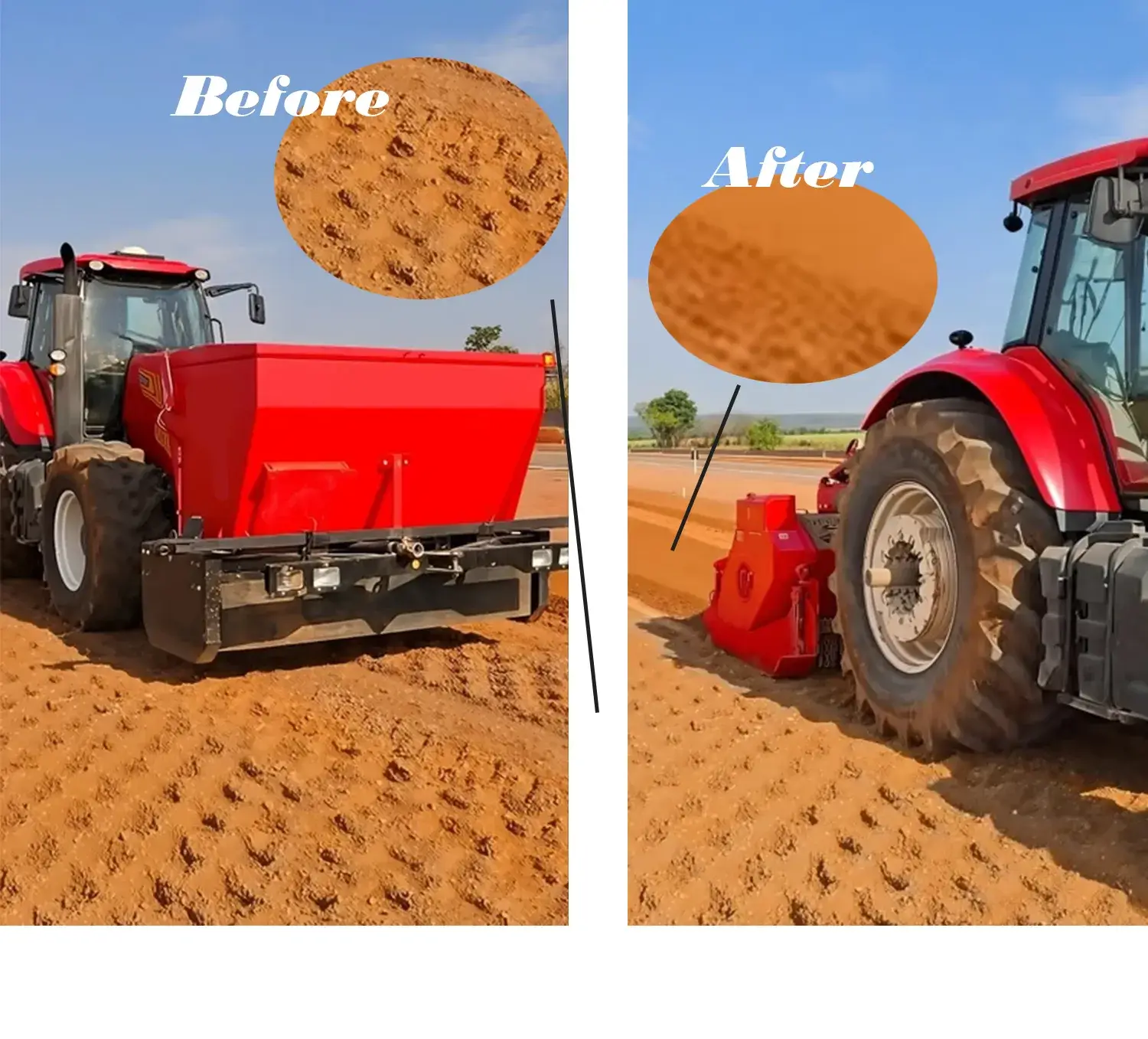
Before establishing a storage protocol, it helps to understand the action mode and structural type of the pto stienbrekker you are parking. All tractor-mounted stone crushers in the current product range operate on the same fundamental principle: a heavy steel rotor, driven through a PTO driveshaft and gearbox, rotates at high speed and strikes surface rocks with hardened fixed teeth or carbide-tipped picks. The fragmented material passes through a containment chamber — bounded by a fixed shear bar and a rear grid — and is discharged at reduced particle size. This rotor-impact mechanism means the machine accumulates very specific types of contamination during operation: fine silica dust, clay particles, rock fragments, organic matter (grass stems, root debris), and occasionally moisture from rain or damp soil conditions.
From a structural standpoint, the machines in our range use one of two primary layouts. The EP-Thor 2.4 Kit Drawbar and Thor 3.0 Kit Drawbar are drawbar-trailed designs, meaning the pto stienbrekker travels behind the tractor on wheels with the three-point linkage connection at the front of the machine. The Thor 2.4 measures 1,546 mm in length and 2,481 mm in width, weighs 2,300 kg, and requires a minimum of 180 cv to operate. Its trailed configuration means the wheels, axle bearings, and drawbar pivot points are additional components requiring attention during storage. The EP-Tractor Mounted Rock Crusher and EP-PSC Models series use a conventional rear three-point mount configuration without trailing wheels, making their storage footprint simpler but concentrating all structural loads through the three-point linkage pins when the machine is parked on stands.
Understanding which structural type you have determines whether your storage checklist includes wheel hub bearing servicing (for drawbar-trailed models) or solely focuses on the rotor, gearbox, and frame components (for three-point mount models). Both layouts share the same vulnerability to seal degradation, paint failure, and rotor bearing static load — but the drawbar types add wheel bearing corrosion and tyre flat-spotting as additional storage concerns that three-point mount machines do not face.
3. Manufacturing Construction and Material System: What Makes These Machines Vulnerable
The manufacturing construction of a pto stienbrekker involves multiple material types that respond to storage conditions very differently, and a good storage protocol accounts for each individually. Understanding the material system of the machine you operate makes it easier to prioritize where to spend your time during pre-storage preparation.
Main frame structural steel (S355 / equivalent): The primary chassis and side-panel structure is fabricated from hot-rolled structural steel plate. This material is not inherently corrosion-resistant — it relies entirely on its paint or primer coating for protection. When paint is chipped, scratched, or has micro-pores from impact damage, bare steel is exposed directly to the atmosphere. In conditions above 70% relative humidity (common across most of Colombia’s productive agricultural zones, from the Cauca Valley to the Boyacá highlands), visible rust appears within 48–72 hours on bare structural steel. Over a six-month storage period without intervention, this can develop into pitting corrosion severe enough to reduce the cross-section of structural elements by a measurable percentage.
Hardox wear plate linings: The internal crushing chamber walls are lined with Hardox 400 or Hardox 500 abrasion-resistant steel. These alloy steels have higher chromium and nickel content than standard structural grades, giving them somewhat better corrosion resistance under the same exposure conditions. However, they are not stainless and will still develop surface rust during prolonged storage. More critically, any moisture trapped between the wear plate and the frame structure — especially in lap joints or in corners where soil debris has accumulated — creates a crevice corrosion environment that is far more aggressive than general surface exposure. This is why thorough cleaning before storage is not optional; it is the single most important step in the entire storage process.
Gearbox and transmission components: The lateral gearbox on these machines uses standard gear oil — typically an ISO VG 220 industrial gear oil or an SAE 90 GL-5 agricultural transmission oil. After a season of operation, this oil contains suspended metal particles from normal wear, moisture from condensation cycles, and degraded additive packages from thermal cycling. Oil that sits in a stationary gearbox for six months without being changed allows these contaminants to settle and concentrate. On restart, the initial operating period runs on contaminated oil until the circulation path redistributes the contaminants — accelerating wear during the highest-risk period of the operating cycle.
Nitrile rubber and polyurethane seals: Lip seals, O-rings, and other elastomeric components are the most time-sensitive materials in any stored implement. Nitrile rubber (NBR) — used in the majority of shaft lip seals and bearing dust excluders on these machines — begins to oxidize and lose plasticizer content when it sits in static compression without lubrication contact. After six months of storage in direct sun exposure, NBR lip seal lips can lose 15–25% of their original flexibility, resulting in cracking under shaft rotation loads on recommissioning. This is the leading cause of gearbox oil leaks and bearing contamination events that appear on a machine’s first day back in service after extended storage.
4. Step-by-Step Pre-Storage Cleaning Protocol
The pre-storage cleaning phase is the foundation of everything that follows in your pto stienbrekker storage protocol. No amount of grease or protective coating applied over trapped soil contamination will adequately protect the machine. This phase should begin within 24–48 hours of the last field operation, while accumulated soil is still relatively loose and before it cements itself to heated steel surfaces.
Cleaning Sequence — Interior Crushing Chamber
Begin inside the crushing chamber itself. With the pto stienbrekker disconnected from the tractor and all PTO shafts removed, manually rotate the rotor by hand to expose debris packed between teeth. Use a combination of compressed air (at least 6 bar) and a stiff wire brush to clear the pockets between rotor tool mounting bosses. Pay particular attention to the gap between the shear bar and the rotor — this zone accumulates compacted clay that traps moisture against both the shear bar mounting bolts and the rotor surface. Remove the rear containment grid if it is removable on your specific model, and clean the retention channels thoroughly. A high-pressure water wash (60–80 bar) is effective here, but the machine must be allowed to drain and air-dry for a minimum of 24 hours before any protective products are applied.
Cleaning Sequence — External Frame and Linkage Points
The external frame of a stone crusher machine accumulates several distinct types of contamination: packed clay in the three-point linkage pin holes and catch hooks, soil in the hydraulic hose retention clips, dried plant material around the PTO shaft guard attachment points, and grease-and-dirt mixtures around each of the rotor bearing housing exterior surfaces. Each of these must be addressed individually. Use a pressure washer for the general frame surfaces, then switch to manual cleaning with a degreaser-soaked rag around bearing housings and seal faces — high-pressure water directed at lip seals can force past the seal lip and introduce water into the bearing cavity, which is worse than leaving it unwashed.
5. Protecting Rotor Bearings During Extended Storage
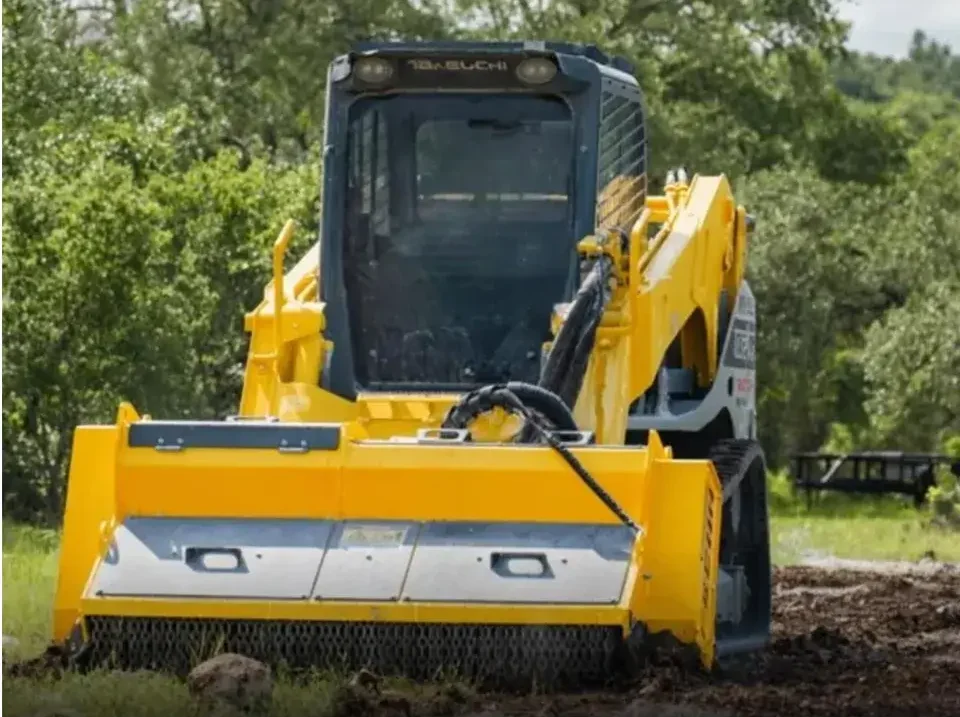
Rotor bearings are the highest-value wear components in any pto stienbrekker, and they are the most susceptible to long-term storage damage. The combination of potential false brinelling, corrosion from moisture ingress, and grease hardening from temperature cycling means that a machine stored for a full dry season without bearing attention is likely to start the next season with measurably reduced bearing life.
The standard protocol for bearing storage protection on agricultural rock crusher equipment involves two distinct steps. The first is purging: before parking the machine, apply a full grease charge to every bearing housing zerk fitting (grease nipple) until fresh grease appears at the purge port or until you can see clean grease emerging around the seal perimeter. This fresh grease displaces the contaminated grease from the active zone of the bearing races and ensures the rolling elements are coated with clean lubricant going into storage. Use a lithium-complex grease with a NLGI Grade 2 consistency — or a moly-fortified NLGI 2 if your operation involves predominantly abrasive volcanic soils, which is the case across much of the Colombian coffee growing zone and the volcanic plateau regions of Nariño and Cauca.
The second step is the anti-false-brinelling procedure. Once the bearing has been freshly greased and the machine is in its storage position, rotate the rotor by hand through at least three full revolutions every four to six weeks during storage. This repositions the rolling elements on the bearing races, preventing the static contact point indentations that lead to false brinelling. For machines stored for more than three months, this manual rotation check also confirms that the rotor is not mechanically seized — which, if allowed to proceed undetected, can increase bearing replacement cost significantly when the machine is eventually recommissioned.
For machines stored in areas with significant temperature swings — such as the high Andean regions above 2,000 m elevation where nighttime temperatures in the dry season can drop to near zero — it is worth sealing the grease zerk fittings with a protective cap after each fresh grease application. Temperature cycling drives condensation inside bearing housings, and if the zerk fitting’s spring ball check has any wear, it may allow moist air to enter the housing during the overnight cooling phase. Fitting plastic zerk dust caps costs almost nothing and eliminates this ingress pathway entirely.
6. Seal Inspection: Lip Seals, O-Rings, and Hydraulic Connections
The storage period is the optimal time to conduct a thorough seal condition audit on your pto stienbrekker. Seals that are marginally functional will often survive during operation — the lubricant film maintained by shaft rotation keeps the seal lip flexible. During storage, that protective film is absent, and a seal that was already showing minor hardness or micro-cracking will deteriorate measurably over a six-month idle period.
Start at the rotor bearing lip seals. These are typically double-lip seals pressed into the side plates of the rotor housing. Check for: hardness (the seal lip should be pliable and return to shape when compressed with a fingernail); cracking or crazing on the outer face; and any evidence of grease bleed past the inner lip from the bearing side. A seal that shows any of these symptoms should be replaced before storage, not after — replacing it before storage protects the bearing for the entire idle period, while replacing it at the start of the next season means the bearing has already spent months with compromised sealing. Replacement seals for standard rotor housing shaft diameters are relatively inexpensive and widely stocked by agricultural machinery parts distributors across Colombia’s major agricultural centers including Bogotá, Medellín, Cali, and Bucaramanga.
Hydraulic hose end O-rings and flat-face port seals deserve attention if your specific model uses hydraulic circuits for containment door actuation or wheel steering functions. The EP-Thor 2.4 Kit Drawbar, for example, requires 2 hydraulic control valves, which means there are multiple hose end connections at both the tractor and implement ends that contain O-ring seals. During storage with hydraulic lines capped, these O-rings sit in static compression in a dry environment. Applying a light coating of petroleum jelly or hydraulic seal conditioner to each O-ring face before capping the hose ends reduces the rate of hardening significantly over a long storage period.
7. Paint Repair and Long-Term Corrosion Protection
The paint system on a pto stienbrekker is its primary defense against corrosion during storage. After a season of crushing abrasive rock, the paint on the rotor housing, lower wear plates, and shear bar area will inevitably show chips, scratches, and impact zones where the coating has been removed down to bare steel. Each of these represents a corrosion initiation site that will spread laterally under the surrounding paint during storage through a process called undercutting — moisture infiltrates the chip, rust forms, and the rust crystals physically lift adjacent paint, progressively increasing the bare steel exposure area.
The pre-storage paint repair process does not need to match the original factory finish in quality — its purpose is purely corrosion prevention, not aesthetics. The minimum effective procedure is: wire brush or angle grind the rusted area to bright metal; apply a zinc-rich primer spray or brush-on rust-inhibiting primer (phosphoric acid-based rust converters are widely available in Colombia under brands like Oxiclean or similar local products); allow to cure for the manufacturer’s recommended time; then apply two coats of an alkyd enamel topcoat in the closest available color. This three-step process — bare metal, primer, topcoat — provides protection that will last through a full dry-season storage period without further treatment.
For the rotor teeth, picks, and carbide tools themselves, a different approach is appropriate. These components are made of hardened tool steel or tungsten carbide, neither of which benefits from paint coating — the carbide inserts would simply lose the coating on first contact with rock, and the tool steel shanks are designed with sufficient section thickness to tolerate surface rust without significant structural compromise. Instead, apply a water-displacing lubricant (WD-40 or equivalent) to the exposed cutting tool surfaces, which forms a thin moisture barrier without the adhesion or cure requirements of paint. Reapply this coating monthly during storage in humid environments.
For the gearbox housing exterior, which is typically cast iron or fabricated from heavy steel plate, a dedicated corrosion inhibitor spray applied over the exterior painted surface provides an additional layer of protection. Pay special attention to the seam between the gearbox cover gasket face and the housing — any separation or compression set in the cover gasket creates a pathway for moist air to enter the gearbox internal cavity and condense on the gear surfaces during temperature cycling. If you detect any oil seepage at the gearbox cover during the post-season inspection, replace the cover gasket before storage, not before the next season’s work.
8. Storage Position, Blocking, and Environment Selection
Where and how you park a portable stone crusher machine or three-point mounted agricultural crusher during its off season makes a meaningful difference in the condition it will be in when next season arrives. Several principles apply across all model types in our range.
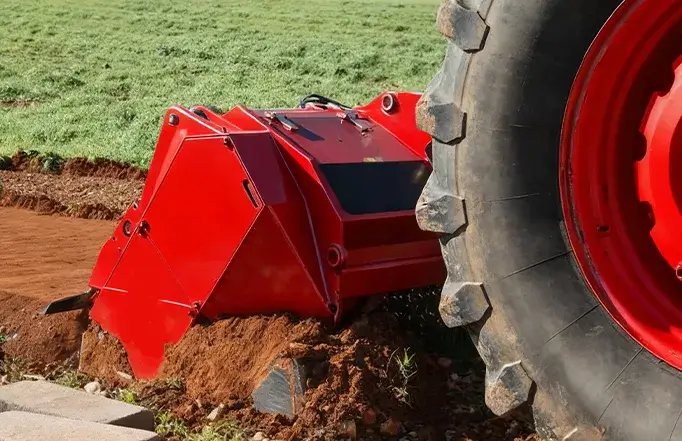
Store off the ground where possible. Parking the pto stienbrekker with the rotor housing in contact with or close to bare earth exposes the lower steel surfaces to soil moisture, capillary water rise, and ground-dwelling insects that can infiltrate cavities and destroy wiring harnesses or rubber components. For three-point linkage models, lower the machine onto timber blocks or purpose-built implement stands so the lower structure has at least 150 mm clearance from the ground. For drawbar-trailed models like the Thor series, ensure the wheel tyres are inflated to correct storage pressure (typically 2–3% above normal operating pressure to compensate for natural pressure loss) and that the machine is parked on a hard surface rather than soil or gravel that could unevenly sink under the implement’s weight over time.
Covered storage is significantly better than open storage. Across Colombia, even in the supposedly dry seasons in the Andean interior departments, overnight dew deposition can wet an uncovered pto stienbrekker as effectively as light rain. A simple pole barn or lean-to roof over the implement park is sufficient — the machine does not need a sealed building, just overhead protection from direct precipitation and direct UV radiation. UV exposure accelerates rubber seal deterioration and paint oxidation at rates 3–5 times faster than shaded storage, particularly at high altitudes where UV intensity is greater than at sea level.
Avoid storage near chemical storage areas. Fertilizer warehouses, pesticide storage rooms, and battery-acid areas generate corrosive vapors that can attack paint, seals, and non-ferrous components on a pto stienbrekker or any nearby machinery. Even if the implement appears to be out of the direct path of fumes, enclosed storage spaces can concentrate corrosive vapors enough to visibly damage paint within a single storage season. Maintaining a minimum distance of 10–15 meters from chemical storage areas is a practical rule for any uncoated metal equipment.
9. Complete Pre-Storage Checklist — PTO Stone Crusher Seasonal Maintenance
Use the table below as a systematic reference for pre-storage maintenance on any pto stienbrekker model in the Mulchers/Stone Crusher product range. Tasks are organized by system and approximate time requirement.
| System / Component | Task | Frequency | Est. Time | Priority |
|---|---|---|---|---|
| Crushing chamber | Pressure wash interior, remove all packed debris | Pre-storage only | 45–90 min | Critical |
| Rotor bearings | Purge old grease, apply fresh NLGI 2 lithium-complex grease | Pre-storage only | 20 min | Critical |
| Rotor bearings | Manual rotor rotation (3+ full revolutions) | Every 4–6 weeks | 5 min | Critical |
| Gearbox | Drain used gear oil, refill to mark with fresh ISO VG 220 GL-5 | Pre-storage only | 30 min | Critical |
| Rotor lip seals | Inspect for hardness and cracking; replace if suspect | Pre-storage only | 30–60 min | Critical |
| Paint / frame | Identify bare metal areas, apply zinc primer + alkyd topcoat | Pre-storage only | 60–120 min | High |
| Rotor cutting tools | Apply WD-40 or equivalent to all exposed tool surfaces | Pre-storage; monthly refresh | 15 min | High |
| Hydraulic hose ends | Apply O-ring conditioner, cap all open ports | Pre-storage only | 15 min | High |
| PTO driveshaft | Grease universal joint needle bearings; store disassembled from machine | Pre-storage only | 20 min | High |
| 3-point linkage pins | Clean and coat with copper grease; store pins separately | Pre-storage only | 10 min | Moderate |
| Wheel hub bearings (drawbar models only) | Pack wheel hub bearings with fresh grease | Pre-storage only | 45 min per hub | High |
| Tyre inflation (drawbar models only) | Check and inflate to storage pressure; inspect for sidewall cracking | Pre-storage; monthly check | 10 min | Moderate |
10. Regulatory Context: Storage, Maintenance, and Equipment Safety Standards
Agricultural machinery storage and maintenance practices operate within a regulatory framework that varies by country. For operators sourcing a pto stienbrekker or managing a fleet across multiple farms in Colombia, awareness of these requirements is relevant to both legal compliance and insurance coverage.
Colombia — ICA and Ministerio de Agricultura: The Instituto Colombiano Agropecuario (ICA) and the Ministerio de Agricultura y Desarrollo Rural oversee the technical standards and inspection requirements for imported and domestically operated agricultural machinery. While there is no specific ICA regulation mandating a detailed seasonal maintenance protocol for PTO-driven implements, Resolution 00001779 of 2020 and related directives establish baseline equipment safety standards that presuppose machines are maintained in safe operating condition. A machine that has been stored without adequate corrosion protection or seal maintenance, and that subsequently fails in service due to a catastrophic bearing or gearbox failure, may face liability questions under these standards if the failure results in an operator injury.
EU Machinery Directive 2006/42/EC and Successor Regulation EU 2023/1230: Equipment manufactured with CE marking must include an operator’s manual that specifies storage and maintenance intervals. The successor Machinery Regulation EU 2023/1230 (entering full application January 2027) strengthens requirements around preventive maintenance documentation. For Colombian buyers of European-manufactured stone crushing equipment, verifying that the operator’s manual contains storage maintenance intervals is a due-diligence step that protects warranty coverage and supports insurance claims in the event of storage-related damage.
ISO 11684 — Safety Signs on Agricultural Machinery: This international standard governs the placement of safety warning labels on agricultural equipment, including warnings for maintenance procedures (locked-out PTO, pressure release before service, etc.). Storage maintenance performed without following these lockout/tagout procedures — such as attempting to clean the rotor without first verifying the PTO shaft is disconnected and the machine cannot accidentally move — creates injury risk and liability exposure regardless of jurisdiction.
Brazil — ABNT NBR 12069: Brazilian agricultural machinery safety standard ABNT NBR 12069 covers periodic inspection requirements for implements including stone crushers. Given that much of the equipment circulating through Colombian and Andean markets originates from or is designed to Brazilian market standards, understanding ABNT NBR requirements helps operators verify compliance when purchasing used equipment with Brazilian origins. Storage maintenance records consistent with ABNT NBR requirements are a positive indicator of equipment history when evaluating a used machine for purchase.
United States — ASABE and OSHA Standards: ASABE Standard S592 provides guidance on agricultural implement storage and winterization procedures, relevant for operators of North American tractor brands whose machines interact with PTO implements. OSHA 29 CFR 1928 (agricultural operations) specifies general safety requirements for tractor-mounted implements that apply to any implement used in work environments with employees, regardless of country of origin of the equipment.
11. Recommissioning: Bringing the Machine Back Into Service Safely
The recommissioning process at the start of each new work season is the mirror image of the pre-storage protocol. A pto stienbrekker that has been stored correctly should recommission without issues, but a systematic check before the first field operation still provides important assurance — particularly because some degradation (seal hardening, minor rust film on bearing surfaces, lubricant stratification) occurs during storage regardless of how well the machine was prepared. The following steps apply to any small pto stone crusher or full-size model before returning to work.
Verify that all grease zerk fittings on the pto stienbrekker have received a fresh grease charge. Check the gearbox oil level and inspect the drained sample against a reference — if the oil appears milky or has visible particles, drain and refill again before operating. Inspect all rotor bearing lip seals visually from the accessible side; a seal that has survived storage correctly should show no discoloration, cracking, or distortion. Inspect the PTO driveshaft universal joints for binding — rotate through the full operating angle range by hand before connecting to the tractor; any resistance indicates a bearing that has corroded during storage and needs replacement before the shaft sees full operating torque.
On first start-up of your pto stienbrekker, operate at low PTO speed for five to ten minutes with the rotor spinning but without engaging any stones. This period allows the lubricant films in the bearing and gearbox to redistribute, the seal lips to warm and re-conform to the shaft surfaces, and any surface rust film on rotor bearing raceways to be polished away by rolling-element contact under low load. After this warm-up period, make one pass over a light stone density area before committing to a full-rate crushing run — this serves as a functional verification pass where any unusual vibration, noise, or temperature at bearing housings can be detected before the machine is operating at full depth and forward speed.
12. Product Range — Models Covered by This Storage Guide
The storage and maintenance guidance in this article applies to the following pto stienbrekker models in our current product lineup. Browse the full specification for each model to confirm the specific bearing locations, gearbox oil capacity, and hydraulic circuit details relevant to your storage checklist.
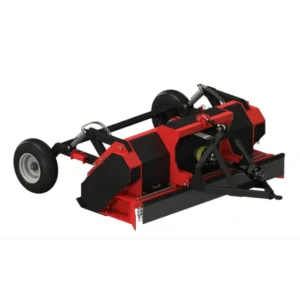
EP-Thor 2.4 + Kit Drawbar
2,481 mm wide · 2,300 kg · 180 cv minimum. Drawbar-trailed design — storage checklist includes wheel hub bearings, tyre pressure, and drawbar pivot grease in addition to standard rotor and gearbox tasks.
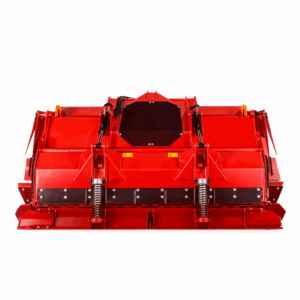
EP-RockMaster Agricultural Stone Crusher
Mid-range model optimized for farmland preparation. Three-point mount configuration simplifies storage procedure — focus on rotor bearing, gearbox, and paint systems in the pre-storage checklist.
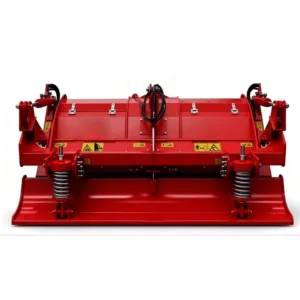
EP-PSC Models Stone Crusher
Lightweight compact series. Lower machine weight makes manual rotor rotation during storage easier, but the compact bearing housings have less grease reservoir volume — more frequent grease purging checks are advisable for this model in humid storage environments.
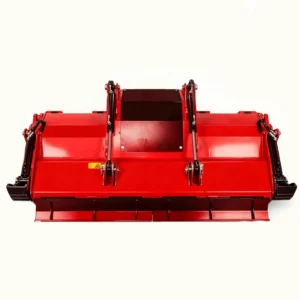
EP-Tractor Mounted Rock Crusher
Standard three-point rear mount. Category 2 linkage design. The three-point linkage top link connection point is a high-friction surface that should receive a copper-slip or anti-seize compound application before long-term storage to prevent pin galling.
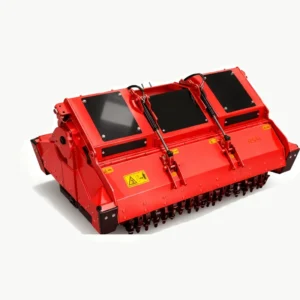
EP-Korea Agricultural Rock Crusher
Korean-standard engineering for compatibility with Korean tractor brands common across Colombian farms. Storage procedures follow the same protocol as the Tractor Mounted Rock Crusher series. Spare parts for seals and bearings are available through the same agricultural parts distribution network.
Frequently Asked Questions
Editor: PXY